
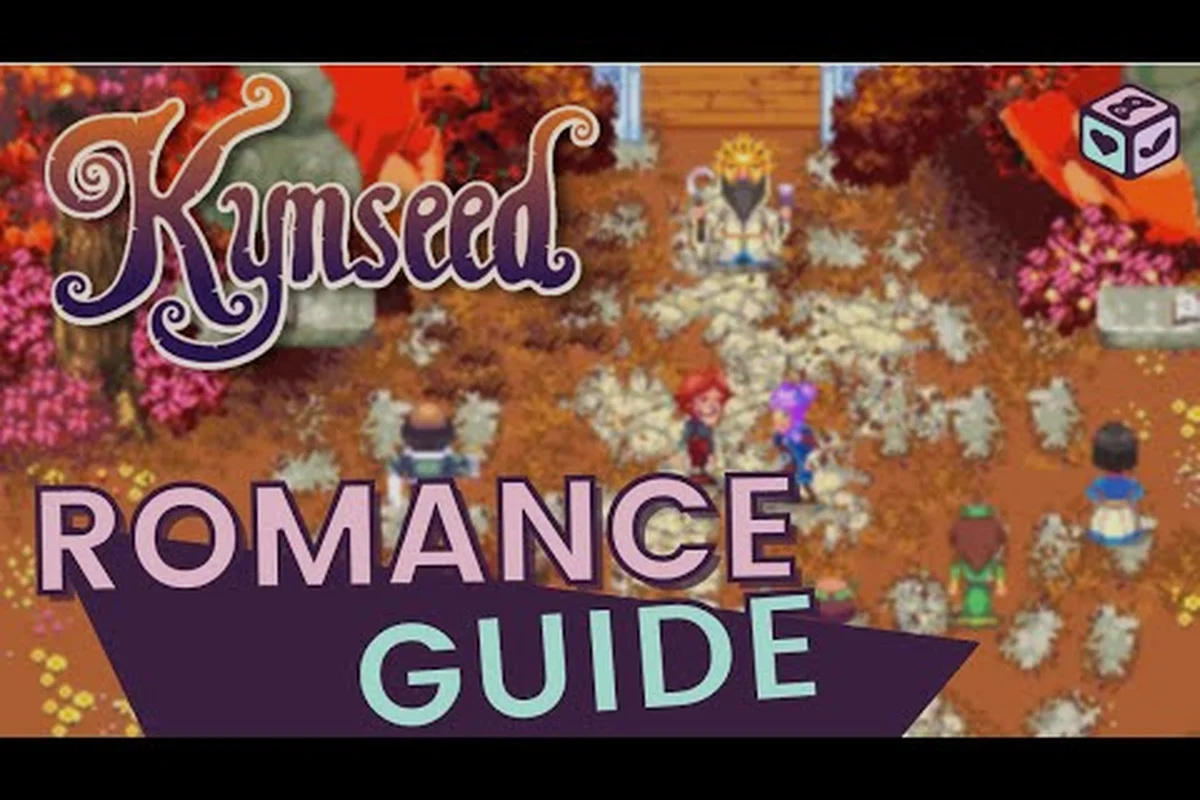
Every Kynseed player hits the same wall eventually: you've got the farm running, the shop stocked, and a full inventory of gifts, but the villager you're courting still treats you like a stranger. That's because Kynseed's relationship system runs on conversation choices, not just presents, and picking the wrong line can stall your romance for weeks. This Kynseed dialogue guide breaks down exactly how the speech system works, which responses earn affection, and how to turn small talk into a marriage proposal. If you've been guessing your way through chats and wondering why your relationship bar barely moves, the answers below will change how you approach every single conversation in the game.
How Kynseed Conversation Mechanics Actually Work
Kynseed's dialogue system is deceptively simple on the surface: you approach an NPC, pick a topic, and choose a response. But underneath that clean interface sits a layered affinity engine that tracks your history with every villager. Each conversation choice carries hidden weight, and the game remembers your past interactions when calculating how much affection you gain or lose. Understanding this foundation is the first step toward mastering the Kynseed conversation guide.
The core loop works like this: every NPC has multiple dialogue branches covering topics like Weather, Work, Family, Gossip, and Personal Interests. Each branch contains several response options, and each option carries an affection value that shifts based on the NPC's personality. A joke that lands perfectly with the tavern owner might fall completely flat with the stoic blacksmith. The game tracks these reactions across multiple play sessions, so consistent good choices compound into faster relationship growth.
Affection decay is another mechanic you need to track. If you ignore an NPC for too long, their affection toward you slowly erodes. This means you can't just spam conversations for one week and then disappear for a season — maintaining a relationship requires regular check-ins. The decay rate varies by NPC, with some villagers being more forgiving than others, but the general rule is that you should chat with your target at least every few in-game days.
Topic freshness also matters. Repeating the same conversation topic too many times in a row reduces the affection gain, pushing you to vary your approach. The game rewards players who rotate through different dialogue branches rather than hammering the same question repeatedly. This mechanic alone explains why many players see diminishing returns when they try to speed-run a romance.
Gift synergy ties into dialogue as well. When you give an NPC a gift they love and then follow up with a well-chosen conversation line, the affection bonus multiplies. Players who combine thoughtful presents with strong dialogue choices report relationship gains roughly double those who rely on gifts alone. This synergy is why the Kynseed courting guide always emphasizes conversation quality over raw gift quantity.
| Dialogue Factor | Impact on Affection | Notes |
|---|---|---|
| Correct response choice | +3 to +8 per exchange | Varies by NPC personality |
| Wrong response choice | -2 to -5 per exchange | Can trigger negative dialogue |
| Topic freshness | +1 to +3 bonus | Rotating topics prevents decay |
| Gift + dialogue combo | 1.5x to 2x multiplier | Stacking bonuses for best results |
| Affection decay | -1 per 3-5 days ignored | Forces regular interaction |
The takeaway here is that Kynseed rewards deliberate conversation habits. Players who treat dialogue as a mini-game with rules, rather than flavor text to click through, see dramatically faster relationship progression. The system is forgiving enough that you won't permanently ruin a relationship with one bad line, but consistent poor choices will noticeably slow your romance timeline.
Personality Types and Their Preferred Dialogue Branches
Every NPC in Kynseed falls into one of several broad personality archetypes, and each archetype responds better to certain conversation styles. Learning to read these patterns quickly is the difference between a frustrating grind and a smooth courtship. This section of the Kynseed relationship tips covers the main personality clusters you'll encounter in Thornborough and the surrounding areas.
The Practical Pragmatist
These NPCs value directness and competence. They respond well to conversations about Work, Crafting, and Economy, and they appreciate responses that show you understand the practical realities of village life. The blacksmith, the goods store owner, and several of the farming NPCs fall into this category. When talking to them, avoid overly flowery language or abstract philosophical musings — they see that as wasting time.
The Social Butterfly
These villagers thrive on Gossip, Festivals, and Community Events. They want to hear about what other people are doing, what's changing in town, and who's been seen with whom. The tavern regulars and several of the younger NPCs fit this archetype. They reward players who stay informed about village happenings and who share news enthusiastically. Bringing them fresh gossip is almost as effective as bringing them gifts.
The Romantic Idealist
These NPCs respond to Personal Interests, Dreams, and Future Plans. They want conversations that feel meaningful and personal, and they reward players who ask about their hopes and share their own. Several of the marriage candidates fall into this category, which makes sense given their role in the romance system. This archetype is where the Kynseed love guide becomes essential, because the right emotional beats matter more than practical information.
The Cautious Observer
These villagers start with low trust and need time to warm up. They respond cautiously to Family and Personal History topics, and they penalize players who push too hard too fast. The apothecary and a few of the older NPCs fit this pattern. With these characters, patience is the winning strategy — show up consistently, choose neutral-to-positive responses, and let the relationship build gradually.
| Personality Type | Best Topics | Avoid Topics | Example NPCs |
|---|---|---|---|
| Practical Pragmatist | Work, Crafting, Economy | Dreams, Philosophy | Blacksmith, Goods Store Owner |
| Social Butterfly | Gossip, Festivals, Events | Deep Personal Questions | Tavern Regulars, Young NPCs |
| Romantic Idealist | Personal Interests, Future Plans | Weather, Small Talk | Marriage Candidates |
| Cautious Observer | Family, Personal History | Pushy Flirtation | Apothecary, Older Villagers |
The key insight from community testing is that most NPCs blend two or three archetypes, so you'll need to experiment to find the exact balance each villager prefers. The game gives you feedback through their facial expressions and response tone, so pay attention to whether they seem pleased, neutral, or annoyed after each exchange. Over time, you'll develop an intuition for which dialogue branches each NPC enjoys most.
The Best Date Dialogue Choices for Romance
When you reach the dating stage with a marriage candidate, the conversation stakes get higher. Date conversations feature special dialogue branches that don't appear in normal daily chats, and the responses you pick carry more weight than standard exchanges. This is where the Kynseed date guide earns its keep, because a single poorly chosen line can undo weeks of careful relationship building.
Compliment choices are the most straightforward date option, but they're not all created equal. Generic compliments like "You look nice today" earn modest affection, while specific compliments that reference something you know about the NPC — their recent project, their garden, their performance at the festival — earn significantly more. The game rewards players who pay attention to the details of each NPC's life, which is why the Kynseed romancing guide emphasizes active listening during normal conversations.
Shared activity questions are another strong date option. Asking about hobbies, favorite foods, or dream destinations opens up longer dialogue chains that build more affection than simple compliments. These questions also give you valuable information you can use later, either for gift selection or for planning future date conversations. The best date strategy is to alternate between compliments and shared activity questions, keeping the conversation varied and engaging.
Future-oriented questions carry the highest risk and reward. Asking about marriage, children, or long-term plans can earn a huge affection boost if the NPC is ready for that conversation, but it can also backfire badly if you ask too early. The game doesn't give you a visible "readiness meter," so you'll need to judge based on your current relationship level and the NPC's responses to earlier date questions. As a general rule, save future-oriented questions for when your relationship is already in the upper tier.
| Date Question Type | Affection Range | Risk Level | Best Timing |
|---|---|---|---|
| Generic compliment | +2 to +4 | Low | Any date |
| Specific compliment | +5 to +8 | Low | After learning NPC details |
| Shared activity question | +4 to +7 | Low | Mid-date, after warm-up |
| Future-oriented question | +6 to +12 | High | Late-stage relationship only |
Date location also influences dialogue options. A date at the tavern offers different conversation branches than a date at the lake or the festival grounds. The game ties certain dialogue choices to specific locations, so experimenting with different date spots can unlock new conversation options you wouldn't see otherwise. Community reports suggest that each marriage candidate has at least one "favorite date spot" where dialogue options are more effective, though the exact locations vary by NPC.
Timing your date matters too. Some NPCs are morning people who respond better to early dates, while others come alive in the evening. Matching your date time to the NPC's daily routine shows attentiveness and earns a small affection bonus. This detail is easy to overlook, but players who pay attention to NPC schedules consistently report faster romance progression.
Advanced Conversation Strategies for Long-Term Relationships
Once you've mastered the basics of picking good responses, you can move on to the advanced strategies that separate casual daters from successful spouses. These techniques require more planning and attention, but they pay off with dramatically faster relationship growth. The Kynseed relationship tips in this section come from experienced players who have tested multiple approaches across many playthroughs.
Conversation rotation is the practice of cycling through all of an NPC's dialogue branches rather than always picking your best option. Because the game applies topic freshness penalties for repetition, rotating through different branches keeps your affection gains high. The optimal rotation pattern varies by NPC, but a good starting point is to cycle through four or five different topics before repeating any of them. This approach requires more effort but produces noticeably better results than spamming the same conversation.
Emotion mirroring is a subtler technique that involves matching the NPC's current emotional state. If an NPC seems happy because of a festival win or a good harvest, responding with upbeat, celebratory dialogue earns bonus affection. If they seem tired or frustrated, a sympathetic or supportive response works better than a cheerful one. The game communicates these emotional states through character animations and dialogue tone, so you need to actually pay attention rather than clicking through conversations mindlessly.
Relationship milestones reset the topic freshness counter and provide a natural opportunity to deepen your connection. When you hit a new relationship tier — friend, close friend, sweetheart, and so on — the game treats your next few conversations as fresh interactions. Smart players save their best dialogue choices for these milestone moments, maximizing the affection gain when the system is most receptive.
| Strategy | Effort Level | Affection Impact | Difficulty |
|---|---|---|---|
| Conversation rotation | Medium | +20% to +30% | Easy to learn |
| Emotion mirroring | High | +15% to +25% | Requires attention |
| Milestone timing | Medium | +30% to +50% | Requires planning |
| Gift + dialogue combo | Low | +50% to +100% | Easy to execute |
Seasonal conversation opportunities add another layer to the strategy. During festivals and seasonal events, NPCs have special dialogue options that only appear at those times. These limited-time conversations often carry higher affection values than standard exchanges, making them prime opportunities to advance your relationship. Marking festival dates on your calendar and prioritizing conversations with your target NPC during those windows is one of the most effective long-term strategies in the game.
Multi-NPC awareness matters more than you might expect. Some NPCs pay attention to how you treat others in the village, and building a reputation as a kind, helpful person can earn you indirect affection boosts with your romance target. This is especially true for NPCs who are friends or family members of your target — impressing them can lead to positive comments that boost your standing. The social web of Thornborough is dense enough that your relationships with one villager can influence another.
Common Dialogue Mistakes and How to Avoid Them
Even experienced players make dialogue mistakes that slow their romance progress. The good news is that most of these errors are avoidable once you know what to watch for. This section highlights the most common pitfalls reported by players and offers practical fixes for each one.
Spamming the same conversation topic is the most frequent mistake. Players find one dialogue branch that works well and then repeat it every day, not realizing that the topic freshness mechanic is quietly reducing their affection gains. The fix is simple: rotate through at least three or four different topics each week. The game's dialogue tree has enough depth that you shouldn't run out of options.
Ignoring negative feedback is another common error. When an NPC reacts poorly to a response, the game gives you clear visual cues — frowns, crossed arms, dismissive comments. Players who ignore these signals and keep pushing the same conversational approach will see their relationship stall. The fix is to treat negative feedback as valuable data and adjust your approach accordingly.
Rushing the relationship is perhaps the most damaging mistake of all. Players who push for romantic dialogue too early, or who ask future-oriented questions before the NPC is ready, can trigger significant affection penalties. The game's relationship tiers exist for a reason, and trying to skip ahead almost always backfires. The fix is to match your conversation intensity to your current relationship tier, saving the most intimate dialogue for when the NPC is clearly receptive.
| Mistake | Impact | Fix |
|---|---|---|
| Topic spamming | -30% affection gain | Rotate 3-4 topics weekly |
| Ignoring negative cues | Stalled progression | Adjust approach based on feedback |
| Rushing romance | -5 to -10 per bad line | Match intensity to relationship tier |
| Neglecting regular chats | Affection decay | Chat every 2-3 in-game days |
| Missing festival dialogue | Lost bonus opportunities | Prioritize seasonal conversations |
Neglecting daily check-ins is a slower but equally damaging mistake. Because affection decays when you ignore an NPC, skipping several days of conversation can undo the progress you made earlier. The fix is to build a daily routine that includes a quick chat with your target NPC, even if you don't have time for a full date. A short positive exchange is enough to keep the decay at bay.
Missing festival opportunities is the final common mistake. Seasonal events offer some of the best dialogue options in the game, and skipping them means missing out on significant affection gains. The fix is to plan your in-game calendar around festivals, making sure you have time to chat with your target NPC during every major event. The payoff is well worth the scheduling effort.
Frequently Asked Questions
What is the fastest way to raise affection in Kynseed?
The fastest method combines daily conversation rotation with well-timed gifts. Chat with your target NPC every day, rotating through different topics to avoid freshness penalties, and give them a loved gift at least twice per week. According to community testing, this approach builds affection roughly twice as fast as relying on dialogue alone.
How do I know which dialogue options are correct?
Pay attention to the NPC's reaction after each response. Happy expressions, positive comments, and increased affection gains all signal a correct choice. If the NPC frowns or responds dismissively, you've picked a wrong option. Over time, you'll learn each NPC's preferences through trial and error, and the Kynseed dialogue guide patterns become second nature.
Can I romance multiple NPCs at the same time?
Yes, you can pursue multiple relationships simultaneously, but there are consequences. Some NPCs will react negatively if they discover you're courting someone else, and certain marriage candidates are jealous of rivals. Community reports suggest that focusing on one romance at a time produces better results, though experienced players sometimes manage multiple relationships with careful scheduling.
Do dialogue choices affect anything besides romance?
Absolutely. Good dialogue choices improve your standing with all NPCs, which unlocks better shop prices, more quest opportunities, and access to exclusive dialogue branches. The same conversation skills that help you find love also help you build a thriving social life in Thornborough. Your reputation as a pleasant conversationalist carries real gameplay benefits.
What happens after marriage in Kynseed?
After marriage, your spouse moves into your home and new dialogue branches unlock for maintaining happiness, though the conversation-quality mechanics from courting remain essential. Prioritize their personality type's preferred topics daily, since neglecting dialogue decays affection. For the full arc covering children, legacy inheritance, and generation transfers, see the Kynseed relationship guide.