
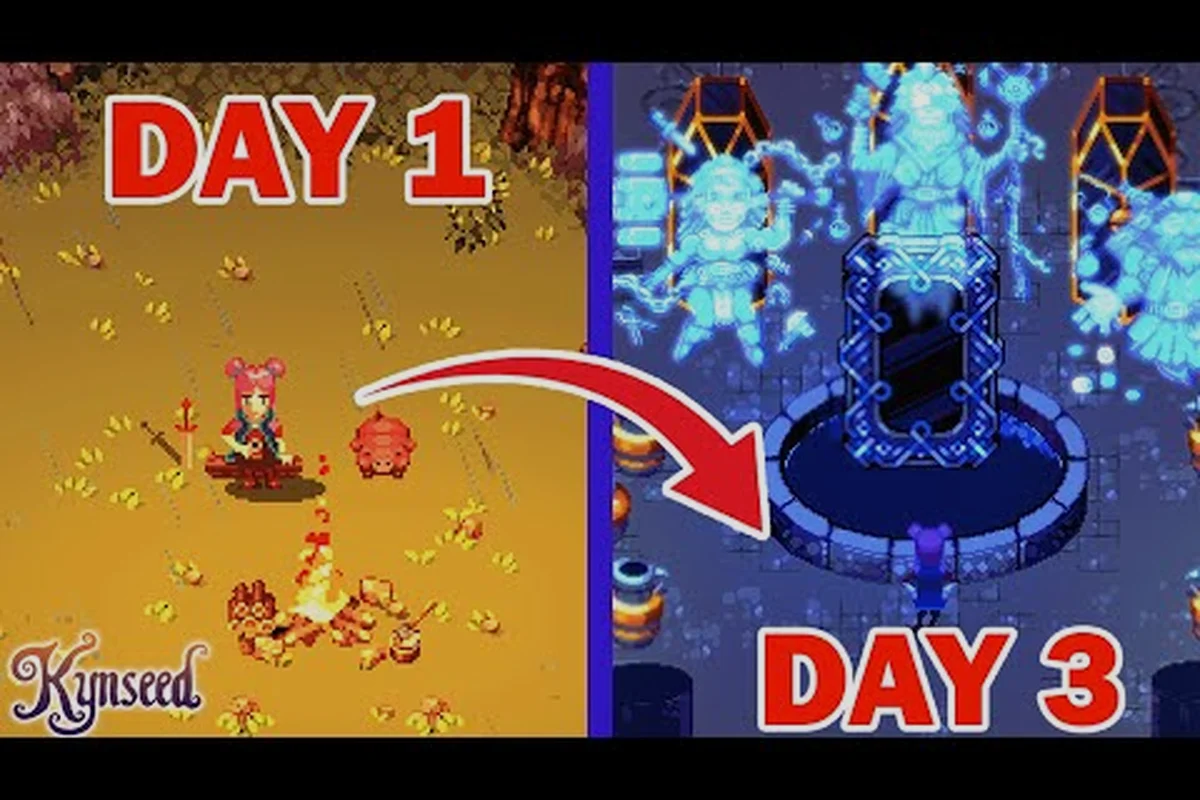
Kynseed is a charming life simulation RPG from PixelCount Studios that blends farming, combat, crafting, and multigenerational storytelling into one cohesive package. If you just picked up the game and feel a bit overwhelmed by everything it throws at you, you're not alone. This guide covers the Kynseed gameplay basics you need to know — from controls and interface to core systems like time, aging, and relationships — so you can start your first playthrough with confidence.
Welcome to Kynseed: A Living Legacy
Kynseed isn't your typical farming sim. At its heart, it's a life simulation RPG where your character ages, marries, has children, and eventually passes the torch to the next generation. That generation system means everything you build — your farm, your shop, your relationships — carries forward. The world of Kynseed is hand-crafted and full of secrets, and the game deliberately avoids hand-holding. You learn by doing, by talking to villagers, and by paying attention to the world around you.
The game launched in early access back in 2018 and reached its full 1.0 release in 2022. Since then, PixelCount Studios has continued to refine the experience, adding new content, quality-of-life improvements, and deeper systems. If you're coming from games like Stardew Valley or Rune Factory, you'll find familiar rhythms here, but Kynseed's unique generational twist sets it apart.
Your journey begins in a small village with a rusty sword, a handful of seeds, and a plot of land that's seen better days. From there, the world opens up. You can spend your days farming, foraging, fishing, cooking, fighting, or simply getting to know the quirky residents of the valley. There's no wrong way to play, but understanding the basics will make your first hours far more enjoyable.
Core Controls and Interface
Getting comfortable with the controls is the first step to enjoying Kynseed. The game supports both keyboard-and-mouse and gamepad, and the interface is designed to be intuitive once you understand a few key concepts.
Movement and Camera Controls
On keyboard, you move your character with the WASD keys and interact with the E key. The mouse controls your cursor for menus, inventory, and targeting. You can also move by holding down the left mouse button, which some players find more comfortable for precise movement. The camera sits at a slight isometric angle, but you can zoom in and out using the scroll wheel. On a gamepad, the left stick moves, the A button interacts, and the right stick controls the cursor in menus.
Inventory and Hotbar Management
Your hotbar sits at the bottom of the screen and holds up to eight items or tools. You can assign items to hotbar slots by opening your inventory with the Tab key and dragging items into the slots. Pressing the corresponding number key (1 through 8) equips that item. The inventory management screen also shows your equipped items, clothing, and accessories. You can sort items, drop them, or move them to storage chests on your farm.
One thing new players often miss: tools don't have a dedicated equip slot. You simply place your hoe, watering can, or sword in your hotbar and switch between them as needed. This keeps things flexible but means you'll want to organize your hotbar carefully — especially when you're in the middle of a dungeon and need to swap from sword to healing item quickly.
Interaction and Dialogue Controls
Interacting with the world is straightforward. Walk up to an object, NPC, or forageable item and press E (or A on gamepad). Dialogue with NPCs uses a simple menu system where you can select responses with the mouse or arrow keys. The dialogue wheel also shows relationship icons, letting you see at a glance how a response might affect your standing with that character.
Here's a quick reference table for the most important controls:
| Action | Keyboard/Mouse | Gamepad |
|---|---|---|
| Move | WASD or hold LMB | Left Stick |
| Interact | E | A |
| Open Inventory | Tab | Y |
| Open Map | M | View Button |
| Hotbar Slots | 1-8 | D-Pad |
| Zoom Camera | Scroll Wheel | LB/RB |
| Pause Menu | Esc | Start |
| Sprint | Shift | Left Stick Click |
| Use Tool | LMB | X |
Time Management and the Life Cycle
Time is the most precious resource in Kynseed. Unlike many farming sims where days are the only unit of time, Kynseed tracks both days and years — and your character ages with them.
The Day/Night Cycle
Each day in Kynseed lasts about 15 real minutes, which is shorter than many similar games. The day/night cycle affects everything: NPC schedules, shop hours, and which creatures appear. Most villagers wake up around 7 AM and head to bed by 10 PM. Shops have specific opening hours, and some only open on certain days of the week.
You can check the time by looking at the clock in the top-right corner of the screen. When night falls, the screen darkens, and you'll need a lantern or torch to see clearly. Staying out late isn't dangerous by itself, but you'll miss out on NPC interactions and might find yourself exhausted the next day. Managing your time management skills — knowing when to farm, when to socialize, and when to explore — is key to a productive life.
Aging, Marriage, and Generations
Here's where Kynseed truly shines. Your character ages one year every in-game year, and the aging process is visible. As you age, your appearance changes, and eventually, you'll want to find a spouse and have children. When your child reaches a certain age, you can choose to continue playing as them, carrying on your legacy.
The legacy system means your farm, your shop, your relationships, and even some of your skills carry over to the next generation. This creates a long-term strategic layer: you're not just building a life for yourself, but for your descendants. Some players focus on building wealth, others on mastering skills, and still others on building deep relationships with every villager. All of these investments pay off across generations.
| Life Stage | Age Range | Key Milestones |
|---|---|---|
| Child | 0-10 | Learn skills, attend school |
| Teen | 11-18 | Start working, explore dungeons |
| Adult | 19-40 | Marry, have children, run a shop |
| Elder | 41+ | Pass on legacy, mentor grandchildren |
Essential Systems for New Players
Kynseed has a lot of systems, but you don't need to master them all at once. Here are the core ones you'll interact with daily.
Farming and Foraging
Farming is the most accessible way to earn money and food early on. You'll start with a small plot of land and a few seeds. Use your hoe to till soil, plant seeds, water them daily, and harvest when ready. Different seasonal crops grow at different times of year, and some crops can only be grown in specific seasons. Pay attention to the calendar and plan your planting accordingly.
Foraging is equally important. The world is full of wild berries, mushrooms, herbs, and other goodies. These can be sold, cooked, or used in crafting. Foraging also levels up a skill that unlocks better yields and rare finds. If you're looking for a more detailed breakdown of crop rotations and profit margins, check out our Kynseed Farming Guide for advanced tips.
Crafting and Tool Upgrades
Crafting in Kynseed is recipe-based. You'll learn recipes from books, NPCs, and experimentation. The crafting menu is organized by category — cooking, blacksmithing, woodworking, and alchemy. Each category has its own crafting recipes and requires specific materials and workstations.
Your tools start out basic, but you can upgrade them at the blacksmith using ores and materials you gather from mining and combat. Upgraded tools have better tool durability, work faster, and can access higher-tier resources. The tool upgrade path is a major progression driver, so prioritize it when you have spare cash.
| Tool | Primary Use | Upgrade Material |
|---|---|---|
| Hoe | Tilling soil | Copper, Iron |
| Watering Can | Watering crops | Copper, Iron |
| Axe | Chopping wood | Stone, Iron |
| Pickaxe | Mining ore | Stone, Iron |
| Sword | Combat | Iron, Silver |
| Fishing Rod | Catching fish | Wood, Fiber |
Combat and Dungeon Delving
Combat in Kynseed is real-time and action-based. You have a basic attack, a dodge roll, and special abilities that unlock as you level up. The combat mechanics are simple but satisfying: time your attacks, watch enemy patterns, and use your dodge wisely. Enemies drop loot, and some drops are only found in dungeons.
Dungeons are scattered across the map and serve as major content areas. Each dungeon has a theme, unique enemies, and a boss at the end. Dungeon exploration rewards you with rare materials, weapons, and story progression. You'll want a good sword, healing items, and a full hotbar before diving in. Some dungeons are tied to the main story, while others are optional challenges with valuable rewards.
Relationships and Community Ties
Kynseed's villagers are more than just quest-givers. Each has a schedule, preferences, and a personality. Building relationships opens up new dialogue, quests, and even romance options. The relationship tiers range from Stranger to Friend to Close Friend to Romance, and each tier unlocks new interactions.
You can raise relationships by talking to villagers daily, giving them gifts they like, and completing their requests. Pay attention to what each villager enjoys — giving a disliked gift can actually lower your standing. The game tracks your relationships in a social menu, and you can see detailed information about each character, including their likes, dislikes, and daily routines.
Marriage is a significant commitment. You'll need to reach the Romance tier, give a special ring, and plan a wedding. Your spouse will move in with you, help with chores, and eventually, you'll have children. The NPC schedules mean you'll need to plan your social visits carefully — some villagers are only home at certain times, and others spend their days in specific locations.
Tips for Your First Season
Your first season in Kynseed sets the tone for your entire playthrough. Here are some practical tips to make the most of it:
- Focus on farming basics first. Plant a small crop of fast-growing vegetables like turnips or carrots. They mature quickly and give you a steady income stream.
- Forage every day. Wild resources respawn, and collecting them daily builds your foraging skill and fills your pockets with sellable goods.
- Talk to everyone. Even if you don't have gifts, a simple conversation builds relationship progress. Learn names and routines early.
- Don't neglect your tools. Upgrade your hoe and watering can as soon as you can afford it. The efficiency boost is massive.
- Save your money. Early game, resist the urge to buy everything. Focus on seeds, tool upgrades, and a few key recipes.
- Explore cautiously. Dungeons are dangerous at low levels. Stick to the overworld until you have decent gear and healing items.
- Pay attention to seasons. Crops die at season change, so plan your planting schedule to avoid wasting seeds.
The skill progression system rewards consistent practice. Every action — farming, foraging, combat, crafting, fishing, and socializing — has a corresponding skill that levels up with use. Higher skill levels unlock perks, better results, and new abilities. There's no rush to max everything, but steady practice pays off.
Frequently Asked Questions
How long does a day last in Kynseed?
A full day in Kynseed lasts roughly 15 real minutes, which is shorter than many life simulation games, so you'll need to prioritize your activities carefully to accomplish everything you want each day. The game pauses when you open menus, giving you time to plan without pressure, but time continues while you're exploring, farming, or talking to NPCs. This makes efficient routing between locations and activities essential for productive days.
Can I play as my children in Kynseed?
Yes, the generational system lets you continue as your child once they reach a certain age and your character passes away from old age. Your farm, shop, relationships, and some skills carry over to the next generation, creating a true legacy experience where your choices have lasting consequences. This generational mechanic is the core hook that sets Kynseed apart from other life sims and encourages long-term planning across multiple playthroughs.
What happens if I run out of energy?
Running out of energy causes your character to become exhausted, which significantly slows movement speed and prevents most actions including farming and combat. You'll need to eat food or sleep to recover your energy, with sleeping until morning being the most reliable recovery method that fully restores your stamina. However, sleeping advances time to the next day, so plan accordingly if you're trying to accomplish specific tasks before time passes.
Are there mods or community resources for Kynseed?
Yes, Kynseed has an active modding community with various mods available that range from quality-of-life tweaks to full content expansions. The official Kynseed website provides resources and links to community tools for players interested in exploring mods. After mastering the base game, there's plenty of additional content available through the community to extend your gameplay experience.