Introduction to Kynseed
Kynseed is a charming life-sim RPG developed by PixelCount Studios, a team comprised of former Bullfrog Productions veterans who worked on classics like Theme Park and Dungeon Keeper. Released into early access in 2018 and fully launched in 2022, Kynseed offers a unique blend of farming, combat, exploration, and generational family legacy that sets it apart from other life sims like Stardew Valley or Story of Seasons.
At its core, Kynseed is about living a life — and then passing it on. The game's most distinctive feature is its generational legacy system, where your character ages, eventually dies, and you continue playing as your child. This creates a persistent world where your actions have long-term consequences that ripple through generations.
The game is set in the whimsical land of Quill, a hand-drawn world inspired by English folklore and fairy tales. From the bustling town of Amber to the eerie depths of the Fae Realm, every corner of Quill is packed with secrets, quirky NPCs, and procedurally generated stories that keep each playthrough fresh. The developers have continued to support the game with free content updates, and you can follow their progress on the official Kynseed website or grab the game on Steam.
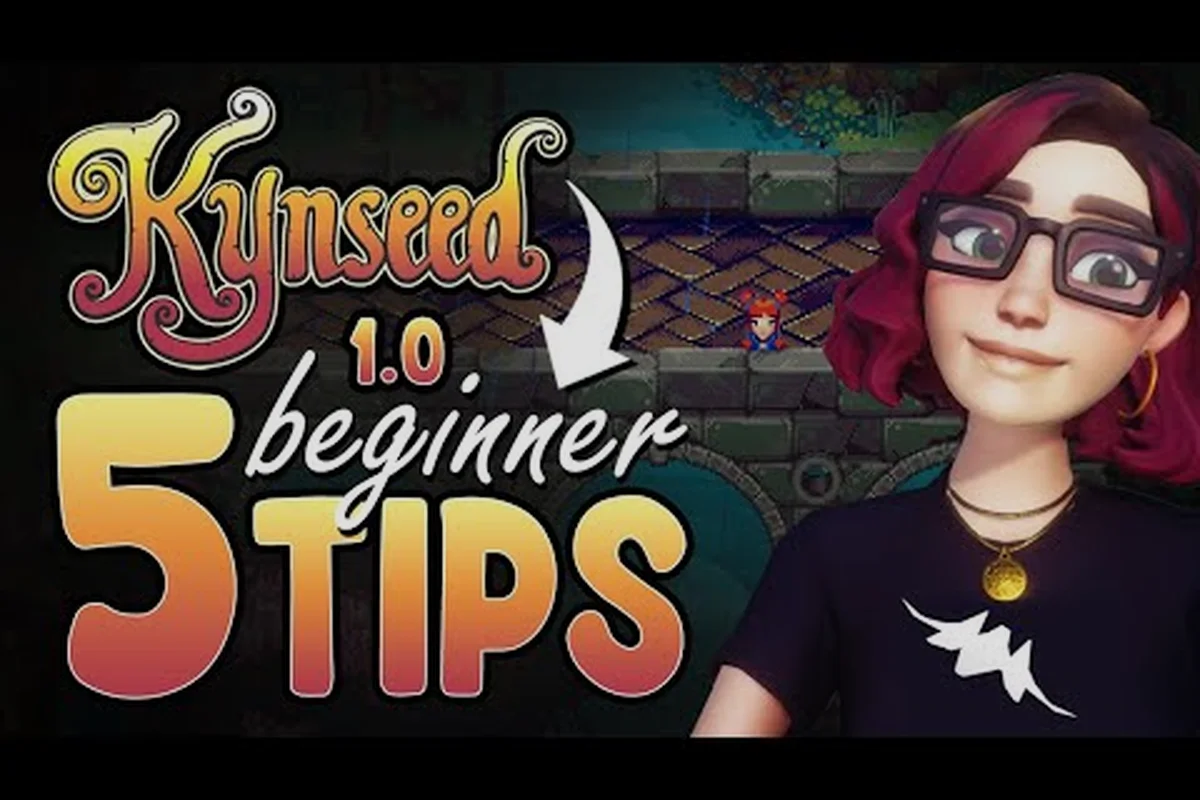
If you're just starting your journey, check out our Kynseed beginner tips for essential advice before diving in.
Getting Started: Character Creation and the Kynseed
Your adventure begins with a mysterious encounter with the Fae, who bestow upon you a magical Kynseed — a mystical item that grants you a long life but binds you to the Fae's whims. This narrative hook drives the entire game, as you'll periodically return to the Fae Realm to fulfill their requests.
Character Creation
Character creation in Kynseed is straightforward but meaningful. You can customize your character's appearance, gender, and name, but the more important choice comes later: selecting your starting skills. These initial skill points determine your early strengths, whether you prefer farming, combat, or social interactions.
Your choices here affect your starting reputation with various factions in Quill. For example, choosing the Forester background gives you a head start in foraging and woodcutting, while the Merchant background boosts your shopkeeping abilities. The PixelCount team has detailed the full character creation process in their developer blog.
The Kynseed's Power
The Kynseed itself is more than a plot device. It acts as your connection to the Fae and provides several gameplay benefits:
| Kynseed Ability | Effect | Unlock Condition |
|---|---|---|
| Fae Sight | Reveals hidden objects and NPCs | Starting ability |
| Time Manipulation | Slows down time for a short period | Progress through Fae quests |
| Spirit Form | Allows travel to the Fae Realm | Early main quest |
| Blessing of Youth | Reduces aging speed | Mid-game Fae quest |
Understanding the Kynseed's abilities is crucial, as they open up hidden areas and secret quests that you won't find otherwise. For a deeper dive into these mechanics, see our Fae Realm exploration guide.
Farming and Foraging
Farming is the backbone of Kynseed's economy, but it's far more complex than simply planting seeds and watering them daily. The game features a seasonal crop system where each plant has specific planting windows, growth times, and quality tiers.
Crop Management
Each season supports different crops, and you'll need to plan your planting schedule carefully to maximize yields. Crops have quality levels ranging from normal to golden, which sell for significantly more at your shop or to vendors.
| Crop | Season | Growth Time | Base Sell Price | Quality Bonus |
|---|---|---|---|---|
| Turnip | Spring | 4 days | 15 | +5 per tier |
| Tomato | Summer | 6 days | 35 | +10 per tier |
| Pumpkin | Autumn | 8 days | 60 | +15 per tier |
| Snowberry | Winter | 5 days | 45 | +12 per tier |
Soil quality matters too. You can improve your soil by adding compost and fertilizer, which you craft from organic waste and foraged materials. Higher soil quality reduces growth time and increases the chance of producing higher-quality crops. The Kynseed community wiki has an extensive database of all crop stats and mutations.
Animal Husbandry
Raising animals in Kynseed is a delightful addition. You can purchase chickens, cows, pigs, and even alpacas from the market. Each animal requires daily care — feeding, brushing, and shelter — but rewards you with eggs, milk, truffles, and wool.
Animals also have moods that affect their production. Keeping them happy through regular interaction and quality feed results in premium products that fetch higher prices. You can also breed animals to unlock rare color variants that are highly sought after by collectors.
Foraging and Gathering
Beyond farming, the world of Quill is filled with forageable items — berries, mushrooms, herbs, and more. Foraging is essential for cooking recipes, crafting potions, and completing Fae quests. Some rare ingredients only appear during specific weather conditions or times of day, so exploration is always rewarded.
Combat and Exploration
Kynseed's combat system is more action-oriented than many life sims, featuring real-time melee combat with a variety of weapons. You'll face everything from wild animals to cursed spirits and Fae creatures as you explore the darker corners of Quill.
Weapons and Combat Skills
There are several weapon types, each with unique attack patterns and special abilities:
| Weapon Type | Damage | Speed | Special Ability |
|---|---|---|---|
| Sword | Medium | Fast | Combo strikes |
| Axe | High | Slow | Armor break |
| Bow | Low | Fast | Ranged attacks |
| Staff | Medium | Medium | Magic spells |
You'll unlock combat skills as you defeat enemies and gain experience. These skills include dodge rolls, parry counters, and charged attacks that are essential for tougher encounters. The skill tree is deep, allowing you to specialize in a warrior, ranger, or mage playstyle.
Dungeons and Dangerous Zones
Quill is dotted with dungeons and danger zones that offer high-risk, high-reward challenges. These areas are filled with traps, puzzles, and boss fights that test your combat skills and puzzle-solving abilities.
Each dungeon contains treasure chests with unique items, including artifact weapons and rare crafting materials. Some dungeons are tied to the main story, while others are optional side content that rewards thorough exploration. Be sure to bring healing items and repair kits — dungeon runs can be brutal.
Exploration Rewards
Exploring Quill isn't just about combat. You'll discover hidden groves, ancient ruins, and NPC homes that offer unique quests and rewards. The map system marks points of interest, but true completionists will want to explore every nook and cranny. For a full breakdown of every area, check out our Quill world map guide.
Relationships, Marriage, and Family Legacy
The social system in Kynseed is one of its deepest features. Every NPC has a daily schedule, personality, and relationship tracker that evolves based on your interactions. Building relationships unlocks quests, discounts, and ultimately romance.
Courtship and Marriage
To court an NPC, you'll need to raise their affection through gifts, conversations, and completing their personal quests. Each NPC has likes and dislikes — giving them a hated gift can set your relationship back significantly.
Once your affection reaches a certain threshold, you can propose marriage. Marriage requires a wedding ring, which you can craft or purchase, and a ceremony that costs gold. After marriage, your spouse moves into your home and helps with daily chores, such as watering crops or feeding animals.
Raising a Family
After marriage, you can have children. Children grow through several life stages — infant, toddler, child, and teenager — each with their own needs and activities. You can teach your children skills, which influences their career options and personality traits as adults.
The generational system is where Kynseed truly shines. When your character dies of old age, you continue playing as your eldest child. Your child inherits your skills, wealth, and relationships, but also your reputation and debts. This creates a compelling legacy loop that encourages long-term planning.
The Generational System
Each generation brings new opportunities. Your heirs start with inherited skills, family reputation, and generational bonuses from items like the Kynseed. But they also face inherited challenges — if your first character accumulated debt or made enemies, those consequences carry forward.
The key to generational success is building infrastructure that compounds across playthroughs. A fully upgraded farm, established trade relationships, and positive reputation with village NPCs create a foundation your heirs build upon rather than starting fresh.
For more on getting started, check out our What to Do First guide for early game priorities.
Advanced Gameplay Mechanics
Once you've mastered the basics, Kynseed offers several advanced mechanics that separate casual players from dedicated completionists. These systems reward deep engagement and provide meaningful character progression beyond simple skill increases.
Enchanting and Magical Upgrades
The enchanting system becomes available after completing the Tower of Mirrors dungeon. Enchanting lets you add magical properties to weapons, armor, and accessories. Common enchantments include Fire Damage (adds elemental burn damage), Lifesteal (heals you on hit), Stamina Reduction (reduces attack stamina cost), and Magic Resistance (reduces magical damage taken).
Enchanting requires Glimmerdust and Moonstone as base materials. Glimmerdust is primarily found in the Deep Woods Caves, while Moonstone drops from Fae Wilds enemies. Stockpiling these materials before unlocking enchanting saves significant farming time.
Fae Blessings and Rituals
The Fae play a central role in Kynseed's mystical systems. Regular interaction with the Fae through quests and shrine visits unlocks Fae Blessings — temporary or permanent buffs that enhance your character's capabilities. These blessings range from stat increases to unique abilities like water breathing or night vision.
Fae rituals require specific offering items, and the most powerful blessings demand rare materials. Planning your Fae interactions early ensures you have the necessary items when opportunities arise.
Seasonal Events and Festivals
Quill celebrates seasonal festivals that offer unique rewards and limited-time activities. Spring's Bloom Festival features flower-gathering competitions with exclusive cosmetic rewards. Summer's Harvest Moon event grants bonus experience for farming activities. Autumn's Ancestors' Eve lets you communicate with past generation characters for advice and item hints.
Winter's Solstice Ceremony is particularly valuable — completing the ceremony grants a permanent buff to all gathering activities for the entire family line. This makes winter the ideal season for dungeon resource farming.
Economic Systems and Wealth Building
Kynseed's economy is more complex than simple buy-low-sell-high trading. Understanding the underlying systems lets you build sustainable wealth across generations.
Trade Networks
Each village NPC buys and sells at different price points. The Merchant offers fair prices for standard goods but specializes in rare seeds and exotic materials. The Blacksmith buys weapons and ores at premium rates but sells equipment at standard prices. Building relationships with specific NPCs unlocks their special inventory and exclusive trade options.
Investment Opportunities
Later in the game, you gain access to investment opportunities — shared business ventures with village NPCs. These investments cost significant capital upfront but generate passive income each in-game week. The best investments have break-even timelines of under one in-game year.
| Investment | Cost | Weekly Return | Break-Even |
|---|---|---|---|
| Farm Expansion | 500g | 75g | 7 weeks |
| Shop Partnership | 1000g | 120g | 9 weeks |
| Mine Shares | 2000g | 280g | 8 weeks |
| Trade Cart | 800g | 100g | 8 weeks |
Legacy Wealth Transfer
Gold transfers to heirs at a rate of approximately 75% of your liquid wealth. Strategic wealth accumulation in your character's later years maximizes inheritance value. Property ownership doesn't affect the transfer rate, so prioritize liquid assets when preparing for generational transition.
Frequently Asked Questions
How do I unlock all the game systems?
Most systems unlock through main quest progression and natural character aging as you advance through the life cycle. Combat training unlocks when your character reaches age 13 and enters their teenage years. Advanced crafting becomes available after your first successful dungeon clear. Enchanting unlocks after completing the Tower of Mirrors dungeon. Fae interactions and the ability to visit the Fae Realm unlock during the early main questline when you first encounter the mysterious Fae beings.
What's the fastest way to earn gold?
Farming is the most consistent gold source for players at any stage of the game. High-profit-per-day crops like tomatoes, corn, and melons generate reliable income with minimal risk compared to other methods. Dungeon runs can be more profitable per hour but require combat capability and carry the risk of death that could cost you healing items and time. Part-time jobs at various locations around the village offer steady baseline income for early-game characters who haven't yet established their farm.
Should I marry for love or for stats?
Both approaches work well and neither is definitively better than the other. Marriage for love provides emotional satisfaction, unique story content, and special dialogue that enriches the roleplaying experience. Marriage for stats by choosing partners with high skills produces children with better innate abilities that can make subsequent generations easier to play. The game doesn't penalize either approach, so optimize your choice based on your personal priorities and playstyle preferences.
Can I complete all content in one generation?
No, Kynseed is specifically designed around generational play where content is meant to span multiple lifetimes. Some content requires multiple generations to access, as endgame dungeons need Elder-age characters and certain quests only trigger for specific generational positions in your family line. Treat incomplete content as motivation for future playthroughs rather than a failure to complete the game in a single generation.
How do I prepare for my character's death?
In your elder years, focus on teaching children skills that will benefit their future development, maximizing family reputation with key NPCs for your heirs' benefit, and accumulating liquid wealth that transfers to the next generation. Ensure your farm is profitable enough that heirs can sustain themselves without your direct management and daily attention. Review your relationship standings and repair any damaged connections with important NPCs before the end of your character's life.