
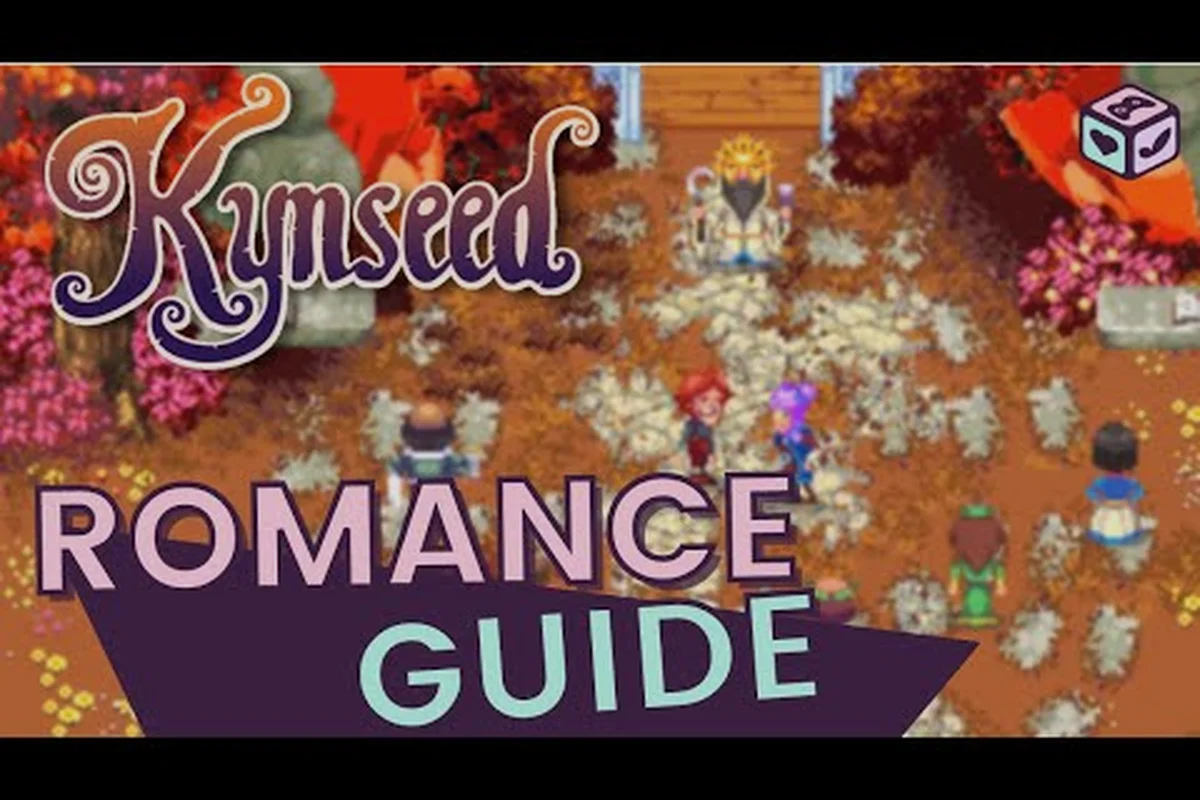
Dropping into the world of Kynseed for the first time can feel overwhelming. The game doesn't hold your hand, and the life cycle progression means every day counts. Unlike traditional farming sims, Kynseed operates on a generational clock: your character ages, seasons pass, and eventually you'll pass the torch to your children. That means the choices you make in your first few hours ripple across decades of in-game time. This guide breaks down exactly what to do first, what to ignore, and how to set yourself up for long-term success.
Why Your First Hours Matter in Kynseed
Kynseed is a life simulation RPG developed by PixelCount Studios, the team behind the Fable series. It blends farming, crafting, combat, relationships, and shopkeeping into a single sandbox world called Quill. What sets it apart is the generational mechanic: your character grows old, and when they die, you take control of one of your children, inheriting skills, traits, and the titular Kynseed. The game launched in Early Access in 2018 and reached its 1.0 release in 2022, and you can find it on Steam.
Your first hours set the foundation for everything that follows. The skills you develop, the relationships you build, and the resources you gather will carry forward through generations. A strong early start means your heirs begin with advantages rather than starting from scratch.
Understanding the Life Cycle System
The life cycle system in Kynseed progresses through four main stages: childhood, teenage years, adulthood, and elder years. Each stage unlocks different activities and comes with its own restrictions.
| Life Stage | Age Range | Unlocked Activities | Key Restrictions |
|---|---|---|---|
| Childhood | 0-12 | Foraging, exploring, making friends | No combat, no farming |
| Teenage | 13-19 | Part-time jobs, basic combat, romance | Limited tool usage |
| Adult | 20-49 | Full farming, combat, marriage, children | None |
| Elder | 50+ | Mentoring, legacy planning | Reduced stamina |
As a child, focus on exploration and social bonding. Forage berries and mushrooms from the meadows around your home. Talk to every villager you meet — these early relationships establish the foundation of your family's reputation that persists across generations.
Your First Day: The Essential Checklist
When you first spawn in Quill, resist the urge to rush into combat or start planting crops immediately. Instead, follow this checklist to maximize your early efficiency.
Morning Routine (In-Game Day 1)
Start by speaking with your parents at the family home. They provide the initial quest chain that introduces you to Kynseed's core mechanics. This quest line is your tutorial, and completing it unlocks access to the village shop, the blacksmith, and your first farming plot.
After the tutorial quest, take five minutes to explore the immediate area around your home. Mark any foraging spots you find — berry bushes, mushroom clusters, and herb patches regenerate daily and provide free food and crafting materials. The Fae Shrine northwest of the village is particularly important: it serves as a fast travel point once activated and is tied to several early-game quests.
Afternoon Activities
Once you've explored and spoken with key NPCs, head to the village center to meet the merchant. Your character needs starting funds to purchase seeds and basic equipment. Consider taking a part-time job — the fishing dock pays modest coins for your first hour of work, and fishing is an excellent low-stress activity that teaches you Kynseed's timing-based mechanics.
Evening Preparation
End your first day by purchasing basic seeds from the village shop. Turnip seeds are the cheapest and fastest-growing option, making them ideal for building initial capital. Plant your first row of turnips before sleeping — they'll be ready to harvest in just two in-game days.
Core Systems to Master Early
Several game systems deserve priority attention in your first week of play. Mastering these early pays dividends throughout your entire playthrough and across multiple generations.
Farming Fundamentals
Farming is the backbone of Kynseed's economy. Unlike more complex farming sims, Kynseed uses a straightforward till-plant-water-harvest loop. Each crop has specific seasonal requirements and growth times.
| Crop | Season | Growth Time | Base Profit | Quality Bonus |
|---|---|---|---|---|
| Turnip | Spring | 2 days | 8g | +5g per tier |
| Carrot | Spring | 3 days | 12g | +5g per tier |
| Strawberry | Spring | 4 days | 15g | +8g per tier (regrows) |
| Tomato | Summer | 3 days | 18g | +10g per tier (regrows) |
| Corn | Summer | 3 days | 20g | +10g per tier |
| Pumpkin | Autumn | 5 days | 35g | +15g per tier |
Focus on high-profit-per-day crops early. Tomatoes and corn offer the best returns per day invested. Strawberry and tomato plants also regrow after harvest, making them exceptionally valuable for long-term farming.
Combat Basics
Kynseed features real-time combat with a dodge-heavy system inspired by action RPGs. Your first combat encounters come through the Mine dungeon north of the village.
Essential combat tips for beginners:
-
Dodge roll is your primary defensive tool — timing matters more than armor
-
Block with a shield is stamina-efficient for predictable enemy attacks
-
Bow combat lets you pull enemies one at a time, reducing overwhelm
-
Combo attacks with swords deal more damage but leave you vulnerable
Your starting weapon is sufficient for the Mine's early floors. Focus on learning enemy attack patterns rather than dealing maximum damage. The Rock Sprite enemies burrow underground and ambush — watch for ground indicators before they emerge.
Relationship Building
NPC relationships in Kynseed affect quest availability, shop discounts, romance options, and legacy traits passed to your children. Every villager has a daily schedule and preference profile.
Key relationships to prioritize in your first week:
-
The Village Elder — gives early quests and unlocks dungeon access
-
The Blacksmith — unlocks tool upgrades and weapon crafting
-
The Merchant — provides better prices and access to rare seeds
-
Potential Marriage Partners — romance options unlock at age 16+
Gifting is the fastest way to raise affection. Each NPC has likes and dislikes — giving a loved gift multiplies the affection gain, while a disliked gift can actually decrease relationship standing.
Prioritizing Your First Week
With limited time each day and countless activities available, prioritization is essential. Here's how to structure your first in-game week for maximum efficiency.
Days 1-3: Foundation Building
Focus entirely on unlocking systems. Complete the tutorial questline. Establish daily foraging routes. Plant and harvest your first turnip crop. Explore the village and meet every NPC. Take at least one part-time job to establish baseline income.
Days 4-7: Resource Accumulation
Shift focus to accumulating resources. Mine low-level ores in the Mine dungeon. Craft your first Iron Sword at the blacksmith. Expand your farm to at least 12 plots. Begin daily gifting to priority NPCs to build relationships before the social lockout periods.
Week 2: First Dungeon Runs
By your second week, you should have adequate equipment for dungeon exploration. The Mine offers low-risk resource farming with valuable ore deposits. Clear at least three floors to establish combat confidence before attempting harder dungeons.
Long-Term Planning: Legacy Thinking
Remember that Kynseed spans generations. The decisions you make in your first character's lifetime affect your heirs directly. Skills and reputation persist, while equipment and inventory do not.
Legacy priorities to establish early:
-
Skill development — choose 2-3 skills to max out rather than spreading thin
-
Family reputation — being helpful to villagers creates positive starting conditions for heirs
-
Property ownership — purchase the farm expansion early to maximize agricultural potential
-
Relationship web — multiple high-level friendships reduce the grind for subsequent generations
Common Early Game Mistakes to Avoid
New players frequently stumble into pitfalls that compound into major disadvantages. Understanding these mistakes before making them saves countless hours of frustration.
Mistake 1: Ignoring the Aging Clock
Every day in Kynseed advances your character's age. While childhood feels safe and relaxed, it also limits your available activities. Don't waste childhood years on activities better suited for adulthood — focus on building relationships and exploring, then pivot to resource generation when you age up.
Mistake 2: Spreading Skills Too Thin
Attempting to level every skill simultaneously results in a character who's mediocre at everything. Choose a specialization early and commit to it. Combat-focused characters should prioritize strength and endurance skills, while farming-focused characters should emphasize agriculture and commerce skills.
Mistake 3: Neglecting Relationships
Many players treat relationships as a secondary concern, but the affection multipliers from high-level friendships provide massive advantages. A best friend merchant might offer 30% discounts, effectively doubling your purchasing power. Romance partners provide valuable co-op benefits during adult years.
Mistake 4: Overcommitting to Perishable Investments
Crops, cooked food, and crafted items all have shelf lives in Kynseed. Avoid stockpiling perishable goods beyond what you can use before they spoil. Focus on selling fresh produce rather than processing it into goods you can't consume quickly.
Conclusion: Start Smart, Play Long
Your first hours in Kynseed establish the foundation for everything that follows. Focus on unlocking systems, building relationships, and establishing sustainable routines rather than rushing toward late-game content. The generational mechanic rewards patience and planning — a well-structured first character makes subsequent generations exponentially easier to develop.
For more guides on Kynseed's various systems, check out our Beginner Walkthrough for detailed progression advice, or our Game Guide for comprehensive coverage of all major mechanics.
Frequently Asked Questions
Should I focus on combat or farming first?
Focus on farming in your first week to establish reliable income that will sustain all your other activities. Combat becomes significantly easier when you can afford better equipment and healing items from the profits of your farm. The Mine dungeon is accessible from day one but rewards preparation — mine ore, sell it, upgrade your gear at the blacksmith, and then tackle deeper floors with confidence. This patient approach prevents early deaths and wasted resources.
How do I prepare for my first dungeon run?
Bring at least two healing salves or food items, a weapon you're comfortable wielding with the iron sword being the recommended choice, and basic food for stamina recovery during exploration. The Mine's first floors are forgiving for new players, but dungeon runs can last 20-30 minutes of in-game time depending on your exploration habits. Always carry more supplies than you think you'll need, as getting caught without healing items deep in a dungeon is a frustrating situation.
What's the best use of my first 100 gold?
Purchase turnip seeds and plant a small farm plot with them. Turnips cost 2g per seed and sell for 8g each, providing excellent return on investment that builds your starting capital quickly. Once you've earned 50-100g from your first harvest, save for an iron sword upgrade at the blacksmith to prepare for combat content. Avoid spending on non-essential items early — every coin invested in farming infrastructure compounds over time.
How do relationships affect my heirs?
Relationship standing doesn't directly transfer to children when you pass control to the next generation, but family reputation does carry forward to benefit your heirs. Helping villagers as your first character establishes a positive reputation that gives your heirs starting bonuses with those NPCs, including better prices and dialogue options. High-level friendships also unlock quests that provide legacy-appropriate rewards that persist through generations.
When should I start thinking about marriage and children?
Romance options unlock at age 16 when your character enters their teenage years, but marriage preparation should begin earlier to maximize relationship progress. Build relationships with potential partners throughout teenage years by gifting their preferred items and spending time in their company. Children take approximately one in-game year to reach adulthood, so plan accordingly to ensure your first character can meet their heir before passing away from old age.