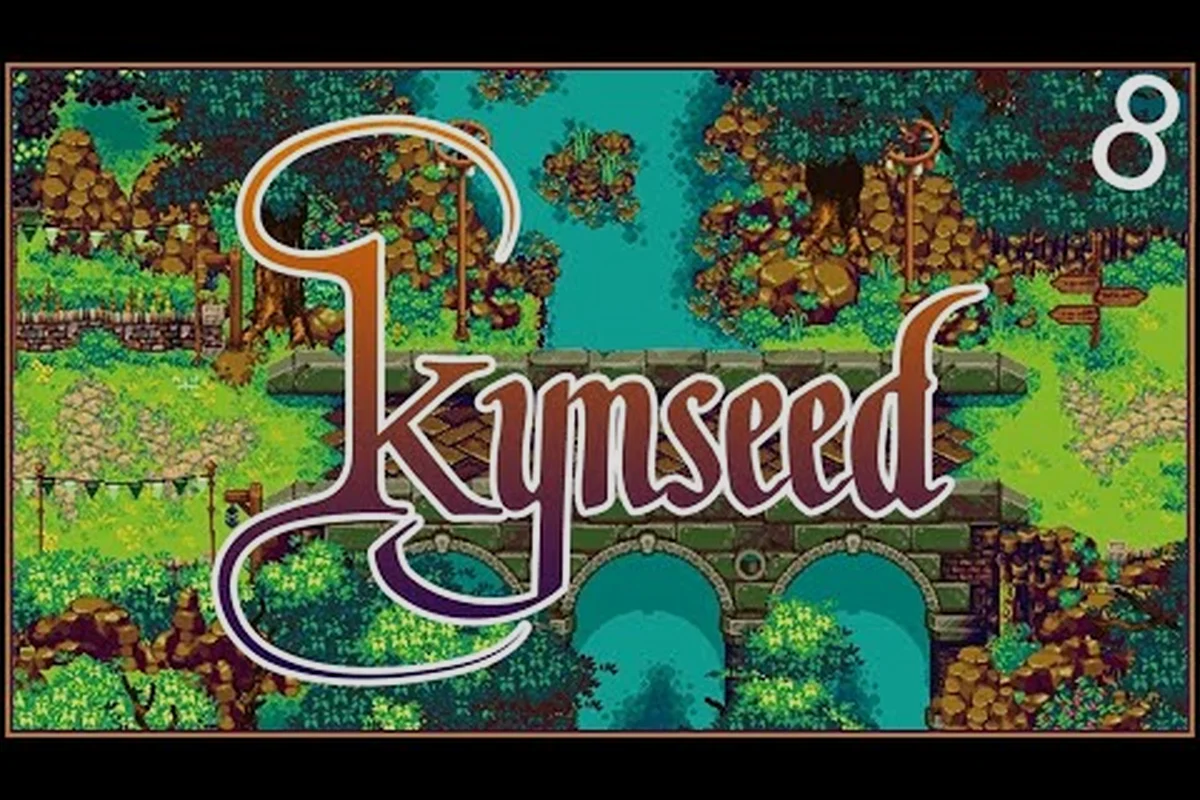
Every corner of the Vale carries a story, and this Kynseed folklore guide digs into the dark fairy tales, forgotten history, and world events that shape everyday life in this pixelated sandbox. Understanding the lore isn't just for curious readers — it directly affects how you approach seasonal festivals, NPC relationships, and even the legacy you pass to your children. The narrative layer sits beneath every farming, shopkeeping, and combat mechanic, rewarding players who pay attention to the world around them.
The game, developed by PixelCount Studios, deliberately weaves a dark fairy tale atmosphere into its life-sim framework. While the charming pixel art and cozy farming loops invite you in, the underlying stories carry weight, consequence, and a touch of melancholy. This guide pulls together the essential lore threads, event calendars, and historical context so you can experience the Vale with full awareness of what's really going on beneath the surface.
The Dark Fairy Tale Roots of Kynseed's Storyline
The Kynseed storyline draws heavily from British folklore, particularly the tradition of dark fairy tales where bargains, consequences, and moral ambiguity reign. Unlike the sanitized versions of fairy tales many grew up with, the original source material — the kind collected by the Brothers Grimm and similar folklorists — often featured grim outcomes, harsh lessons, and supernatural entities that operated by their own strange rules. Kynseed embraces this heritage wholeheartedly, presenting a world where magic comes with strings attached and every blessing carries a hidden cost.
At the center of this mythology sits the Kynseed itself, a magical acorn that grants its bearer a form of immortality by passing their consciousness down through their bloodline. When your character dies, you continue playing as their child, inheriting not just the farm and business but also the consequences of choices made generations earlier. This mechanic transforms the game into a multi-generational saga, where the Kynseed storyline unfolds across decades of in-game time rather than a single character's lifetime.
The Fae folk play a central role in this mythology, appearing as enigmatic figures who trade in promises, secrets, and favors. They don't operate by human morality, and their gifts often prove to be double-edged swords. Players who rush into bargains without reading the fine print frequently find themselves dealing with unexpected consequences that ripple through multiple generations of their family line.
The History of the Vale: From Founding to Fall
Understanding Kynseed game history requires looking at the Vale as a region with layers of settlement, conflict, and supernatural intervention. The land wasn't always the pastoral countryside you see today — it bears the scars of past struggles, both mortal and magical.
The Founding Era and the Old Gods
The earliest records speak of settlers who arrived in the Vale seeking refuge, guided by whispers of a land where the veil between worlds grew thin. They found a place already inhabited by older powers — spirits of the land, the Fae, and entities that predated human memory. Rather than driving these beings out, the settlers learned to coexist, establishing traditions of offerings and respect that persist to this day.
The Old Gods of the Vale aren't worshiped in any conventional sense, but their influence appears throughout the region. Ancient standing stones, hidden groves, and peculiar natural formations mark places where the divine once walked. Some of these locations serve as quest sites or hide valuable treasures, rewarding players who explore with an eye for the supernatural.
The Rise and Fall of the Old Empire
Centuries before your character plants their first crop, a powerful empire controlled the Vale. This civilization built grand structures, developed sophisticated magic, and believed they had mastered the forces that governed their world. Their hubris, however, proved their undoing — they attempted to bind the Fae to their will, a transgression that the supernatural world did not forgive.
The empire's collapse left behind ruins that still dot the landscape. Dungeons, abandoned towers, and crumbling fortresses hold treasures, dangers, and fragments of the old knowledge. The Kynseed game history embedded in these locations tells a cautionary tale about the limits of mortal ambition, a theme that resonates throughout the game's present-day quests and events.
| Historical Era | Key Events | Lasting Impact |
|---|---|---|
| Founding Era | First settlers arrive, pacts made with Fae | Traditions of offerings, sacred sites established |
| Old Empire | Advanced magic, attempted Fae subjugation | Ruins, dungeons, forbidden knowledge scattered across Vale |
| The Collapse | Empire falls, magic destabilizes | Magical anomalies, cursed locations, scattered artifacts |
| Modern Era | Player's arrival, rebuilding communities | Ongoing tensions between mortal and Fae interests |
World Events and Seasonal Festivals Explained
The Kynseed events guide wouldn't be complete without examining the rotating calendar of festivals, market days, and supernatural occurrences that keep the Vale feeling alive. These events aren't just cosmetic additions — they offer unique rewards, trigger special quests, and sometimes change the political or magical landscape of the region.
The Annual Festival Cycle
Each season brings its own celebrations, many of which trace their origins back to the old pagan calendar that the original settlers observed. These festivals serve practical purposes beyond merriment: they mark planting and harvest times, honor the spirits that protect the land, and provide opportunities for trade and social bonding.
The Spring Equinox Festival celebrates renewal, with activities focused on planting, fertility blessings, and appeasing the spirits that wake from their winter slumber. Summer brings the Midsummer Fair, a time when the veil between worlds grows thin and Fae visitors become more common — and more dangerous. Autumn's Harvest Home gives thanks for the season's bounty while acknowledging that winter's hardships approach. Finally, the Winter Solstice festival confronts the darkness directly, with traditions designed to keep malevolent spirits at bay during the longest nights.
| Festival | Season | Key Activities | Unique Rewards |
|---|---|---|---|
| Spring Equinox | Spring | Planting contests, spirit offerings | Fertility blessings, rare seeds |
| Midsummer Fair | Summer | Fae market, dangerous bargains | Fae-touched items, exotic goods |
| Harvest Home | Autumn | Feast preparations, gratitude rituals | Seasonal recipes, storage upgrades |
| Winter Solstice | Winter | Light ceremonies, spirit warding | Protective charms, rare crafting materials |
Unpredictable World Events
Beyond the scheduled festivals, Kynseed world events include random occurrences that can dramatically alter your plans. A sudden Fae incursion might close off a region for several days. A plague of shadow creatures could threaten livestock and crops. These events often tie back into the game's darker lore, reminding players that the Vale's peace is fragile.
Community reports suggest that some of these events trigger based on player actions rather than pure randomness. Neglecting certain shrines, breaking bargains, or allowing specific storylines to stagnate may increase the frequency of hostile supernatural encounters. The game tracks your relationship with the Fae and other powers, adjusting the world's behavior accordingly.
The Fae Bargains and Their Consequences
No Kynseed folklore guide would be complete without a deep examination of the Fae bargain system, one of the game's most distinctive storytelling mechanics. These supernatural contracts offer powerful rewards but always include hidden costs, and understanding how they work can mean the difference between prosperity and generational ruin.
How Bargains Work
Fae bargains present themselves through specific NPCs, random encounters, or events tied to the Kynseed storyline. When you accept a bargain, the game clearly states the immediate benefit but often obscures the long-term consequence. Some consequences manifest quickly; others might not appear until your character's children or grandchildren come of age.
The bargain economy operates on a logic that feels alien to mortal thinking. A Fae might offer you a bountiful harvest in exchange for "the sound of your laughter" — a seemingly harmless trade until you realize your character can no longer express joy, affecting social interactions and romance options. Another might offer protection for your family in exchange for "your firstborn's shadow," which could manifest as a permanent debuff on your heir.
Reading the Fine Print
Experienced players have identified patterns in how Fae bargains operate, though the game never explicitly confirms these rules. According to community data, bargains that seem too good to be true almost always carry severe consequences. Bargains that ask for something abstract — memories, emotions, sensory experiences — tend to have more dramatic impacts than those requesting concrete items or gold.
| Bargain Type | Typical Reward | Common Hidden Costs |
|---|---|---|
| Material Exchange | Gold, rare items, resources | Cursed items, future debts |
| Abstract Payment | Powerful buffs, unique abilities | Lost memories, emotional suppression |
| Service Contract | Long-term benefits, protection | Time loss, missed opportunities |
| Blood Pact | Family blessings, legacy perks | Generational curses, heir penalties |
The Fae NPCs who offer these bargains each have their own personalities, preferences, and agendas. Building genuine relationships with them — rather than treating them purely as transaction partners — can unlock more favorable terms or even reveal ways to mitigate negative consequences. Some players report that offering gifts the Fae genuinely value, rather than whatever you have on hand, shifts the bargaining dynamic in your favor.
How Folklore Shapes Gameplay and Legacy
The Kynseed game history and folklore elements aren't just window dressing — they directly influence gameplay systems, particularly the generational mechanics that define the game. Your understanding of the lore can translate into practical advantages, from avoiding cursed items to predicting when dangerous events might occur. Understanding how these generational systems work is only half the battle—applying that knowledge effectively across different playthroughs is where the real edge comes in, which is exactly what our Game Guide breaks down step by step.
The Legacy System and Folklore Knowledge
When your character dies and you take control of their heir, the new character inherits more than just property and businesses. They also inherit the family reputation — the accumulated goodwill or suspicion that previous generations built with the Vale's various factions. A family known for honoring bargains will find the Fae more receptive to negotiation. A family that broke promises will struggle to find supernatural allies.
This reputation system extends to the mortal community as well. The stories villagers tell about your family shape how new NPCs treat you, affecting everything from shop prices to romance options. The Kynseed storyline encourages players to think carefully about their actions not just for immediate consequences but for the legacy they leave behind.
Practical Applications of Lore Knowledge
Understanding the folklore can help you make better gameplay decisions. Knowing which shrines require offerings before you travel through certain areas prevents ambushes. Recognizing the signs of an impending Fae incursion lets you secure your livestock and move valuable items to safety. Understanding the history of certain ruins helps you prepare for the types of enemies and traps you'll encounter.
Players who immerse themselves in the lore also discover hidden content that others miss. Secret quests, alternate endings, and unique items often require specific folklore knowledge to trigger. The game rewards attentive players who read the books scattered throughout the Vale, listen to NPC stories, and piece together the fragmented history presented across multiple generations of play.
Frequently Asked Questions
What makes Kynseed's fairy tale elements different from other games?
Kynseed draws from authentic British folklore traditions rather than modern sanitized fairy tales. The Fae are genuinely alien and dangerous, bargains carry real consequences, and the world doesn't operate on simple good-versus-evil morality. This creates a richer, more unsettling atmosphere that rewards careful attention to the lore.
How do world events affect my family across generations?
World events can leave lasting marks on your family line. A Fae curse might persist for multiple generations, while a heroic deed during a festival could earn your descendants permanent goodwill from villagers. The game tracks these outcomes through your family reputation, making each generation's experiences build on the ones before.
Can I avoid Fae bargains entirely?
Yes, you can decline every Fae bargain you encounter, though this closes off certain quests and rewards. Some players prefer this approach, finding that the game's difficulty balances around avoiding supernatural complications. However, you'll miss significant content and some of the most memorable story moments the game offers.
Do seasonal festivals change based on my reputation?
Festival events do scale with your standing in the community and with supernatural factions. A family respected by the Fae might receive special invitations or exclusive offerings during Midsummer, while a family with poor standing might find themselves excluded from certain activities. Your reputation also affects which NPCs attend and how they interact with you.
Where should I start if I want to learn more about the lore?
Start with the books and letters scattered across Thornborough, as they carry the bulk of written lore. Then talk to older NPCs each season, since their stories shift with your relationship level. Finally, clear ruins and dungeons, where fragments of the Vale's founding-to-fall history hide.