
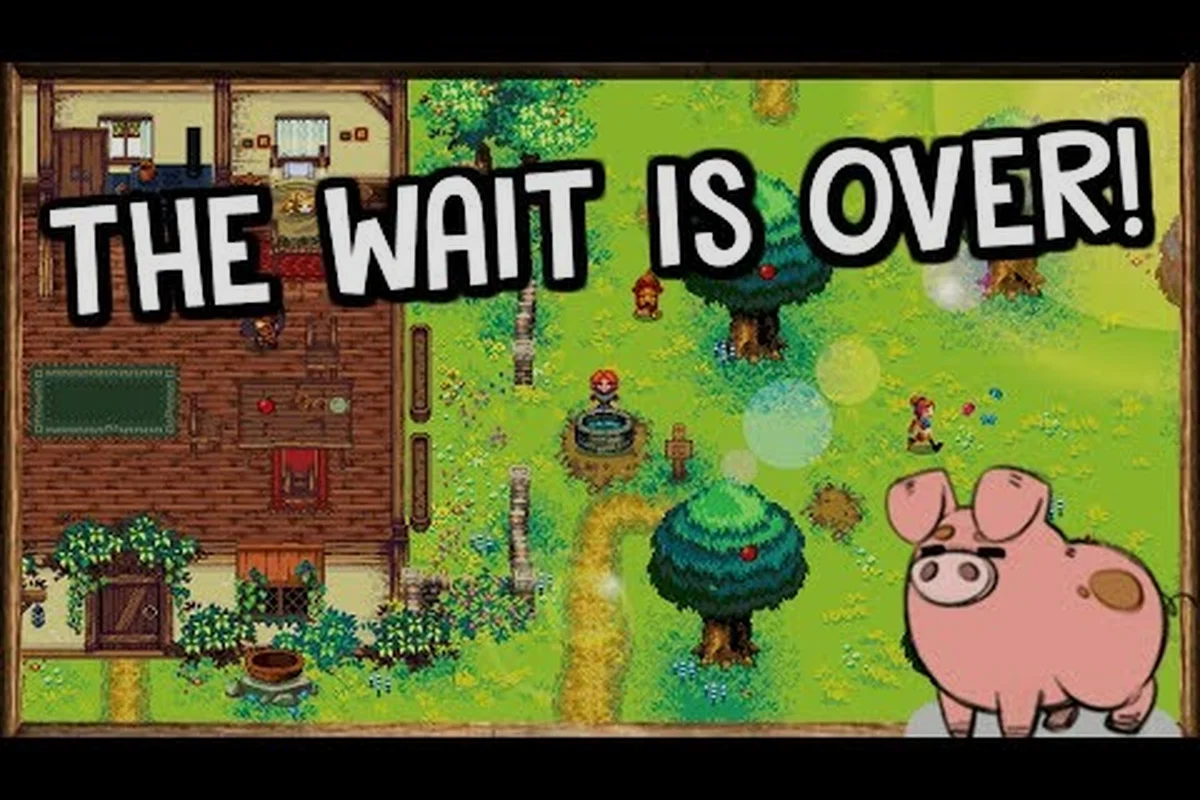
Kynseed looks like a cozy little life sim at first glance. You farm, you chat with villagers, you maybe open a shop. But underneath that charming pixel-art exterior is a surprisingly deep game with a brutal twist: your character ages and dies, and you take over as their heir. Every decision you make ripples across generations. That means the strategies that work in Stardew Valley or similar games will only get you so far here. To truly thrive, you need to think beyond the current season and plan for the legacy you're building.
This guide covers the advanced tactics that separate casual players from those who build multi-generational empires. We'll dig into farming efficiency, combat timing, wealth generation, relationship management, and the daily routines that keep everything humming. Whether you're on your first character or your fifth generation, these Kynseed pro tips will change how you play.
Understanding the Life Cycle: Planning Your Legacy
The life cycle progression is the heart of Kynseed. Your character ages, seasons pass, and eventually, you hand the reins to your heir. This isn't a punishment—it's the game's core mechanic. But it demands a completely different approach to resource management.
The Generational Handoff
When your character passes away, your heir inherits the farm, the shop, and any property upgrades you've purchased. What doesn't carry over? Your skill levels, your inventory, and most of your relationships. This means the smartest investments are permanent ones. Buying a new plot of land, upgrading your shop's storage, and unlocking fast travel points all outlast your current character. Skill books and trait inheritance also play a role in what your heir starts with, so keep an eye out for those during your travels.
Choosing Your Heir
You can have multiple children, and each one has different traits that shape their aptitude. The heir you choose determines your starting bonuses for the next generation. Look for heirs with high aptitude in the skills you plan to focus on. If you're gearing up for a combat-heavy run, pick the child with the best sword aptitude. If farming is your bread and butter, prioritize the green thumb trait. It's tempting to pick the eldest child out of sentiment, but strategy wins here.
Farming Mastery: Beyond the Basics
Farming is the backbone of Kynseed's economy, but there's a world of difference between planting a few crops and running a profitable agricultural operation. The players who rake in gold treat their fields like a business, not a hobby.
Crop Rotation and Soil Management
Soil quality degrades over time. If you plant the same crop in the same plot season after season, your yields will drop noticeably. Rotate crops to keep the soil healthy. Fertilizer helps restore soil quality, but it's expensive early on. A cheaper alternative is to plant nitrogen-fixing crops like beans every third season to naturally replenish the soil. It's a small habit that pays off in consistent harvests.
Seasonal Planting Strategies
Each crop has a preferred season, and planting out of season is a waste of both time and money. The crop will grow slower, produce less, and sometimes wither entirely. Here's a quick reference for the most reliable crops:
| Crop | Best Season | Days to Mature | Base Sell Price |
|---|---|---|---|
| Turnip | Spring | 4 | 12 |
| Carrot | Spring | 6 | 18 |
| Tomato | Summer | 8 | 25 |
| Pumpkin | Autumn | 10 | 40 |
| Winter Root | Winter | 7 | 22 |
The key is to plan your planting so you harvest right before the season changes. A crop that matures on the last day of the season still sells. A crop that needs two more days after the season ends will wither in the field. Check the calendar, count the days, and plant accordingly.
Combat and Dungeon Strategies
Combat in Kynseed is deceptively simple. You have a weapon, a shield, and a dodge roll. But mastering the timing is everything. Players who button-mash their way through the early game hit a wall the moment they step into the first real dungeon.
Weapon Types and Timing
Different weapons have different swing arcs and speeds. The sword is balanced and reliable. The axe is slow but hits like a truck. The dagger is fast but weak. The real trick is learning enemy attack patterns. Most enemies telegraph their attacks with a wind-up animation. Wait for that animation, dodge, then strike. Rushing in blindly gets you killed fast, especially in the deeper dungeons where enemies hit hard and take multiple hits to down.
Dungeon Prep and Resource Management
Dungeons are where you find rare materials and artifact weapons, but they're also where you'll burn through your supplies faster than anywhere else. Always bring a solid loadout before you descend:
-
Healing food (at least 10 items, preferably something that restores a good chunk of health)
-
Torches for dark floors
-
Rope for shortcuts and emergency escapes
Here's a breakdown of the main dungeons and what to expect:
| Dungeon | Recommended Level | Key Loot | Danger Level |
|---|---|---|---|
| The Hollow | 1-3 | Copper ore, basic weapons | Low |
| Glimmerwood | 4-6 | Silver ore, rare seeds | Medium |
| The Mire | 7-9 | Gold ore, artifact pieces | High |
| Ashvale Depths | 10+ | Mythic materials | Extreme |
Don't feel pressured to clear a dungeon in one run. Go in, grab what you can, and retreat. The dungeon reset mechanic means enemies respawn, but so do the loot nodes. Treat each run as a scavenging trip, not a full conquest.
Building Wealth: The Economy of Kynseed
Money in Kynseed comes from multiple streams, and the players who get rich fast are the ones who diversify. Relying on a single income source leaves you vulnerable to bad seasons, market shifts, and the occasional disaster.
Passive Income Streams
Your shop is the best passive income source in the game. Once you hire a shopkeeper, you can stock shelves and let the revenue roll in while you go about your day. But you need to keep the shelves stocked with items people actually want. Check the village requests board daily to see what's in demand, and adjust your production accordingly. If everyone's asking for bread, you should be baking bread.
Shop Management
Pricing is a balancing act. Price too high, and customers walk out. Price too low, and you're leaving money on the table. A good rule of thumb is to price items at 1.5x to 2x the base value. Here's a comparison of the main income methods:
| Income Method | Upfront Cost | Daily Revenue | Effort Level |
|---|---|---|---|
| Crop Farming | Low | 50-150 | Medium |
| Shop Sales | High | 200-500 | Low |
| Dungeon Loot | Medium | 100-300 | High |
| Crafting | Medium | 75-200 | Medium |
The shop is the long-term winner, but it requires a significant upfront investment. Start with farming to build capital, then buy and upgrade a shop as soon as you can afford it. The sooner you get that passive income rolling, the faster your wealth compounds.
Relationships and Community
Your reputation in the village matters more than you might think. Relationship levels unlock new dialogue, discounts, and even quests that aren't available to strangers. Ignoring the social side of Kynseed means locking yourself out of a huge chunk of content.
Marriage and Family
Marriage isn't just a roleplay option—it's a strategic decision. Your spouse contributes to the household in meaningful ways. Some spouses have farming bonuses, others have crafting bonuses, and a few even boost your combat abilities. Choose a spouse whose skills complement your weaknesses. And don't wait too long. If you delay marriage until your character is in their 40s, you might not have enough time to raise children before the generational handoff. That leaves you with a weak heir and a shaky legacy.
Favor and Reputation
Each villager has a favor meter that tracks how much they like you. Give them gifts they enjoy, and they'll warm up to you quickly. Pay attention to their likes and dislikes. A villager who loves flowers won't appreciate a fish, no matter how fresh it is. High favor unlocks special requests and discounts at their shops, which can save you a small fortune over the course of a playthrough.
Time Management and Daily Routines
Time is your most precious resource in Kynseed. Every day is finite, and every season is shorter than you think. Wasting daylight wandering around is the fastest way to fall behind.
Optimizing Your Day
The day starts at 6 AM and ends at midnight. That's 18 hours, and you need to allocate them wisely. A good routine looks something like this:
-
6 AM - 8 AM: Water crops and harvest
-
8 AM - 10 AM: Visit the village, check the requests board
-
10 AM - 2 PM: Dungeon run or crafting session
-
2 PM - 6 PM: Shop restocking and sales
-
6 PM - 10 PM: Socialize, give gifts, build relationships
-
10 PM - 12 AM: Prep for tomorrow, organize inventory
This isn't a rigid schedule, but it gives you a framework. The biggest time waster is traveling. Invest in fast travel points early and use them liberally. Walking across the map eats up hours you could be spending on productive tasks.
Seasonal Events
Each season has at least one major festival, and these are more than just flavor. They offer unique rewards and permanent stat boosts that carry across generations. The Spring Festival has a cooking contest. The Summer Festival has a fishing tournament. Always participate, even if you don't think you'll win. The participation rewards alone are worth the time, and winning can give you a serious edge for the rest of the season.
Frequently Asked Questions
How do I unlock the shop in Kynseed?
You need to complete the main story questline up to the point where you're given the deed to a property. Once you have a shop deed, you can purchase a storefront in the village, hire a shopkeeper, and start stocking shelves with goods. It's a significant investment, but it pays off quickly.
What happens when my character dies in Kynseed?
You take control of your heir. Your farm, shop, and property upgrades carry over, but your skills, inventory, and some relationships reset. This is why it's crucial to invest in permanent upgrades and choose a capable heir early. A well-prepared succession makes the transition smooth.
Can I play Kynseed without focusing on combat?
Absolutely. Many players run successful farms and shops without ever stepping into a dungeon. You'll miss out on some rare materials and artifact weapons, but the core life-sim experience is fully accessible without combat. Just focus on farming, crafting, and community relationships instead.
Conclusion
Kynseed rewards players who think ahead. The generational mechanic means every decision you make echoes into the future, so short-term thinking will leave you scrambling when your character ages out. Focus on permanent upgrades, diversify your income streams, and build relationships early. With these strategies in your toolkit, you'll build a legacy that spans generations and a fortune that outlasts any single character.
For more help getting started, check out our Kynseed Beginner's Guide for the fundamentals. And for the latest patch notes and community discussions, visit the official Kynseed Steam page.