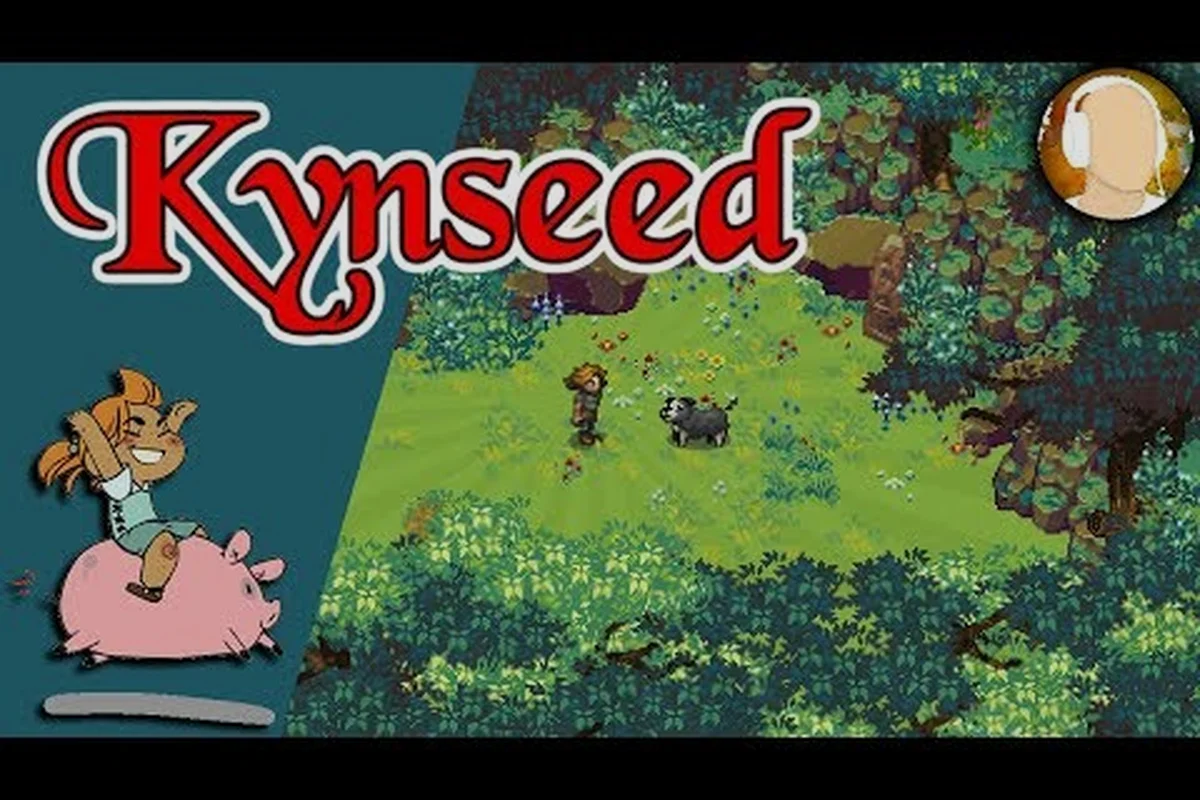
Kynseed is a life cycle RPG developed by PixelCount Studios, a team founded by former Fable developers. The game invites players to live out an entire lifetime—and then continue through the lives of their children, grandchildren, and beyond. It's a charming, hand-drawn sandbox experience that blends farming, combat, exploration, and family legacy into one cohesive package. You can find the game on Steam or learn more at the official Kynseed website.
At its heart, Kynseed is about generational gameplay. You don't just play one character; you play a bloodline. When your character grows old and passes away, you take control of their heir and continue shaping the family's story. This creates a unique rhythm where short-term goals and long-term ambitions intertwine. The game launched into Early Access in 2018 and reached its full 1.0 release in 2022. Since then, it has cultivated a dedicated community of players who appreciate its depth, charm, and willingness to break from traditional RPG conventions.
Visually, Kynseed is a treat. The hand-painted art style evokes classic storybook illustrations, with vibrant colors that shift beautifully across seasons. The soundtrack, composed by the team, complements the whimsical yet melancholic tone perfectly. It's a game that wears its heart on its sleeve, and that sincerity resonates with players who are tired of cynical, overly polished AAA experiences.
What Makes Kynseed Unique
Several design choices distinguish Kynseed from other life simulation games. Understanding these unique elements helps you appreciate why the game has built such a dedicated following among fans of the genre.
The Generational Legacy System
The defining feature of Kynseed is its generational legacy system. Your character is born, grows up, works, marries, has children, and eventually dies. But the story doesn't end there. When your character dies of old age, you take control of one of your children and continue playing with them as your new protagonist.
This isn't just a gimmick — it's a fundamental shift in how you approach the game. Short-term optimization matters less than long-term planning. The skills you develop, the relationships you build, and the resources you accumulate directly benefit your heirs. Your family's reputation persists across generations, meaning every good deed or selfish choice echoes through your bloodline's history.
The Kynseed itself is a mystical artifact tied to the Fae that grants your character an extended lifespan. As you nurture this magical seed, it grows alongside your family, unlocking new abilities and story elements as generations pass. Tending to the Kynseed becomes a symbolic act — a reminder that your actions today shape the world your descendants will inherit.
Combat and Adventure
Unlike more passive farming simulators, Kynseed includes a robust real-time combat system with dodge-rolling, blocking, and weapon combos. Dungeons dot the landscape, offering challenging encounters with valuable loot. The combat system draws clear inspiration from the Fable series, with emphasis on player expression through weapon choice and skill development.
You'll face everything from cave spiders in the Mine to corrupted fae in the Fae Wilds. Each enemy type has distinct attack patterns, weaknesses, and drop tables. Learning these patterns is essential for dungeon survival — walking into a new area without preparation is a quick path to death.
Relationships and Romance
Every NPC in Kynseed has a daily schedule, personality, and relationship tracker. Building relationships unlocks quests, shop discounts, romance options, and eventually marriage. The social system is surprisingly deep — NPCs remember your interactions, react to your choices, and carry grudges or friendships across generations.
Marriage isn't just a flavor feature. Your spouse provides practical benefits: they help with daily chores, contribute to the household income, and eventually become a grandparent to your children. The relationship system in Kynseed feels meaningful precisely because it connects to the generational legacy mechanic.
The Life Cycle Mechanic in Detail
Understanding Kynseed's life cycle system is essential for long-term success. Your character's capabilities, available activities, and optimal strategies shift dramatically across different life stages.
Childhood (Ages 0-12)
Childhood is a period of exploration and socialization. You cannot farm, craft weapons, or engage in serious combat, but you can forage, make friends, and discover the world. This phase teaches you the layout of Quill and introduces you to key NPCs who will become important later.
The Forager skill is the primary focus during childhood. Every berry bush, mushroom cluster, and herb patch you discover becomes a resource node your adult character can exploit. Building friendships early establishes relationship foundations that persist — if your childhood friend becomes a romance option in adulthood, starting with high affection saves significant grinding.
Teenage Years (Ages 13-19)
Teenage years unlock part-time jobs, basic combat training, and romance awareness. Your character can now take shifts at the village shop, train with weapons at the blacksmith's practice dummy, and feel the first stirrings of romantic interest.
This is the ideal time to begin skill specialization. Choose 2-3 skills to develop seriously rather than spreading effort across everything. Combat-focused characters should emphasize strength and endurance through practice sessions. Farming-oriented characters should develop agriculture and commerce skills through work shifts and trade.
Romance preparation begins in the teenage years. Pay attention to which NPCs your character shows interest in. Begin gifting preferred items even if romance isn't active yet — affection gains compound, and starting adult years with existing friendships accelerates relationship development.
| Life Stage | Age | Available Activities | Key Focus Areas |
|---|---|---|---|
| Childhood | 0-12 | Foraging, exploration, socializing | World knowledge, friendship foundations |
| Teenage | 13-19 | Part-time work, basic combat, romance awareness | Skill specialization, relationship building |
| Adulthood | 20-49 | Full farming, combat, marriage, children | Resource accumulation, legacy planning |
| Elder | 50+ | Mentoring, legacy planning | Teaching children, final preparations |
Adulthood (Ages 20-49)
Adulthood is the prime activity period. Full farming, unrestricted combat, marriage, and child-rearing all become available. This is when most of your resource generation occurs — the wealth, equipment, and relationships built during adulthood directly benefit your heirs.
The optimal adult strategy depends on your build. Combat specialists should prioritize dungeon runs for equipment upgrades. Farmers should focus on maximizing crop yields and developing trade relationships. Social builds should court multiple NPCs and complete every available quest.
Elder Years (Ages 50+)
Elder years bring reduced stamina but unlock mentoring abilities. Your character can now teach skills to their children, transferring experience points that would otherwise be lost at death. This makes elder years critical for legacy optimization — a well-taught heir starts their life with significant advantages.
The final years of your character's life should focus on preparation rather than accumulation. Ensure your children have adequate skills, your farm is profitable enough to sustain heirs, and your family reputation is positive with key NPCs.
Game Systems Overview
Kynseed layers multiple interconnected systems on top of its generational foundation. Understanding how these systems interact helps you make informed decisions about time and resource allocation.
Farming and Agriculture
Farming is the backbone of Kynseed's economy. The seasonal crop system means every planting decision has time consequences — miss a season and you wait a full year for the next opportunity. Crop quality varies based on soil fertility, watering consistency, and fertilizer use, with higher-quality produce selling for significantly more.
Animal husbandry adds another dimension. Chickens, cows, pigs, and alpacas produce eggs, milk, truffles, and wool respectively. Animals have mood systems that affect production — happy animals yield premium products. Breeding animals can unlock rare color variants valuable for collectors.
Crafting and Equipment
The crafting system spans weapons, tools, armor, accessories, potions, and food. Most equipment comes from the blacksmith, who can upgrade your tools, forge new weapons, and craft protective gear. The crafting interface is straightforward but the upgrade paths are deep — optimizing your equipment for your playstyle is an ongoing process throughout your character's life.
Enchanting becomes available mid-game, allowing you to add magical properties to weapons and armor. Elemental damage, lifesteal, and stamina reduction are common enchantment types that significantly alter combat dynamics.
Exploration and Discovery
The world of Quill is packed with secrets. Hidden groves, secret passages, and undiscovered NPCs reward thorough exploration. The Fae Sight ability, unlocked through main quest progression, highlights interactable objects and hidden paths that would otherwise be invisible.
Each region of Quill has distinct environmental hazards and enemy compositions. The Mine near the village provides an entry-level dungeon. The Swamp to the east offers mid-tier challenges with unique loot. The Fae Wilds in the north present endgame content requiring significant preparation.
PixelCount Studios: The Fable Connection
Understanding the development team behind Kynseed helps contextualize its design. PixelCount Studios was founded by former Lionhead Studios employees, including people who worked directly on the Fable series. This heritage is visible throughout Kynseed — the British humor, the consequence-driven storytelling, the focus on player expression, and the blend of action gameplay with life simulation.
The Fable series pioneered the concept of a sandbox RPG with personality — a game where combat mechanics mattered but so did character relationships, moral choices, and long-term world impact. Kynseed takes these concepts and applies them to the farming sim genre, creating something that feels both familiar and entirely fresh.
For more information on Kynseed's systems, check out our Farming Guide for agricultural optimization or our Combat Guide for dungeon strategies.
Frequently Asked Questions
How does the generational system work mechanically?
When your character dies of old age, you select one of their children to continue playing as for the next generation of your family. The heir inherits 50% of the parent's skill levels, 100% of the family's reputation standing with NPCs, and approximately 75% of the family's liquid wealth as inheritance. Equipment and inventory items do not transfer between generations, only gold and properties survive death, so plan your end-of-life investments accordingly.
What happens if I don't have children before my character dies?
If your character dies without children to pass your legacy to, the game ends with a soft game over that marks the end of your family line. This is a hard failure state since the generational mechanic requires an heir to continue playing. Plan your family timing carefully, especially if your character has high stamina needs for combat-heavy builds or you want to maximize your generational progression.
Can I influence my child's traits and abilities?
Yes, you can partially influence your child's traits and abilities through various activities throughout their childhood. Teaching skills to children during elder years transfers experience points that would otherwise be lost at death. Your character's behavior and reputation also affect their children's starting personality traits. Marriage partners with high stats in specific areas produce children with higher innate potential in those areas, so choose wisely.
Is Kynseed suitable for players who don't like combat?
Absolutely. While combat is available and rewarding for those who enjoy it, it is not required for success in Kynseed. Farming, crafting, foraging, and social gameplay can sustain a comfortable and enjoyable playthrough without ever engaging in serious combat. The generational system rewards any build type, so peaceful farmers can create wealthy and prosperous families just as effectively as combat specialists create legendary heroes.
How long does one generation typically last?
A full generation from birth to death spans approximately 50-60 in-game years, though the exact duration depends on in-game events and player choices that can affect aging. A single generation can feel quite long, with many players reporting spending 20-40 hours developing a single character before death and generational transition. This makes each character feel meaningful and their legacy impactful.