
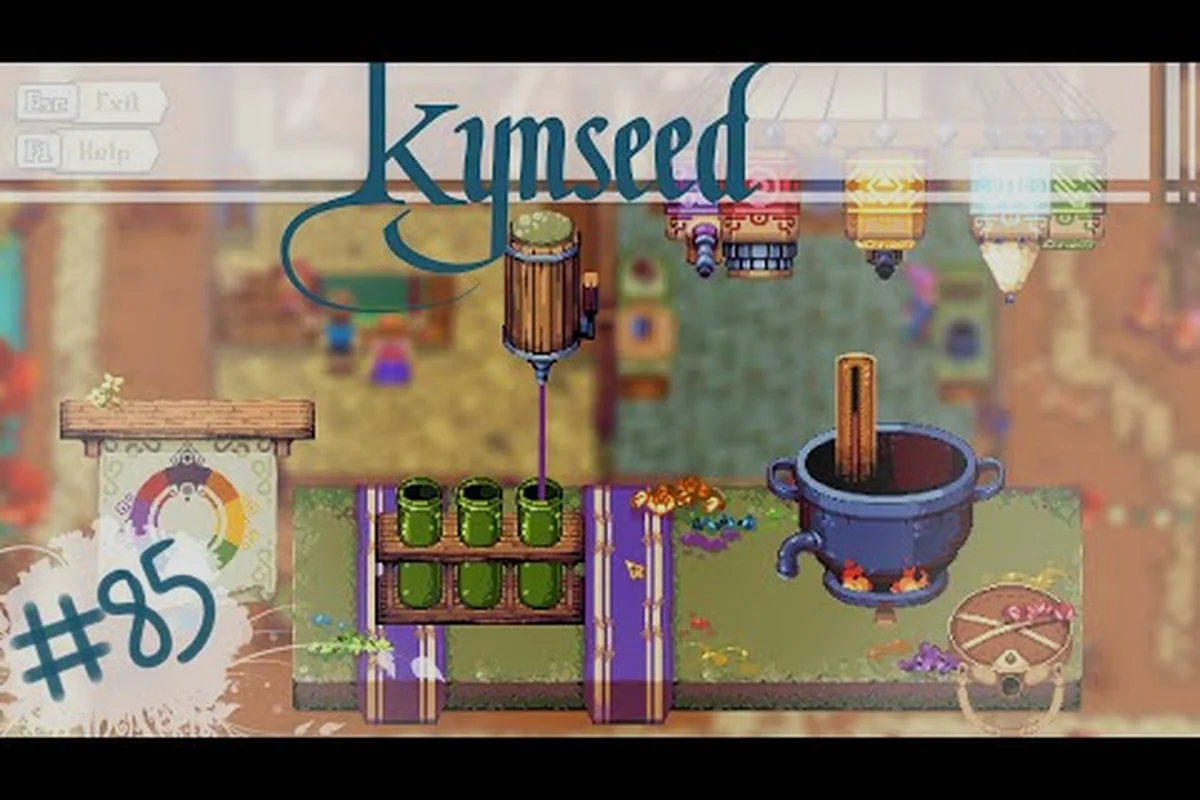
Every recipe in Kynseed, from the healing poultices you craft at the Apothecary to the hearty stews served at your tavern, depends on one thing: a steady supply of raw ingredients. This Kynseed ingredient guide breaks down the fastest ways to gather, mine, forage, hunt, and fish for the materials you need, so you never stall a crafting session because you are missing a single Herb or Ore. Because the game's day-night cycle and seasonal shifts change what spawns where, knowing the right location at the right time matters just as much as having the right tool equipped.
The value here is immediate: efficient ingredient collection saves you in-game hours, which translates directly into more gold, better shop stock, and faster progression through the main story. Whether you are stocking a pharmacy shelf or filling a quest order, these routes and hotspots will keep your pantry full.
Gathering Routes for Everyday Materials
Gathering is the backbone of your ingredient economy because it covers the broadest range of items with the least setup. You only need a basic tool and a bit of stamina to start collecting, which makes this the first system you should master. The key is understanding that different zones yield different loot tables, and those tables shift with the seasons.
The Meadow and Hedgefield Loop
The area around Meadow and Hedgefield is your best early-game gathering ground because it spawns a dense cluster of Herbs, Nettles, and Wild Berries within a short walking distance. Start at the Meadow bridge and work your way east toward Hedgefield, checking every bush and glowing node along the path. This loop takes roughly two in-game hours to complete and yields enough materials for several potions or a full day of tavern cooking.
Forest Floor Foraging
The deeper woods, especially around the Whispering Woods and the Piney Woods, offer rarer finds like Mushrooms, Roots, and Honeycomb. These items have longer respawn timers, so you should not rely on them for daily crafting. Instead, treat forest foraging as a weekly excursion: clear the zone once every few in-game days, store your haul, and use the rare items for high-value recipes that sell well at your shop.
| Zone | Common Items | Rare Items | Respawn Window |
|---|---|---|---|
| Meadow & Hedgefield | Herbs, Nettles, Wild Berries | Golden Berries | 1-2 in-game days |
| Whispering Woods | Mushrooms, Roots | Honeycomb, Truffles | 3-4 in-game days |
| Piney Woods | Pine Cones, Bark | Rare Mushrooms | 3-4 in-game days |
The gathering skill levels up as you collect, and each tier unlocks better yields from the same nodes, so even common spots become more valuable over time. Prioritize clearing the Meadow loop daily, then rotate through the forest zones on a longer cycle to keep your ingredient chest balanced.
Mining Guide: Ore Nodes and Gem Deposits
Mining provides the metallic and mineral ingredients that no amount of foraging can replace, and it follows a completely different set of rules than gathering. Ore nodes are fixed locations that respawn on a timer, and the quality of what you extract depends on your pickaxe tier and your mining skill level. Unlike herbs, ores do not scatter across the map; they cluster in specific caves and rocky outcrops.
The Old Oak Mine
The Old Oak Mine is the primary mining location in the early game, and it contains three distinct levels of ore nodes. The upper level holds Copper and Tin, the middle level introduces Iron, and the lower level, which requires a better pickaxe to break through, contains Silver and occasional Gem deposits. Because the mine resets its nodes every few days, you can establish a consistent route: clear the upper level for smelting fuel, then push deeper when you need premium materials for advanced crafting.
Gem Deposits and Rare Finds
Gem deposits are the mining equivalent of rare forage items, and they appear in specific spots rather than randomly across the mine. According to community reports, the most reliable gem spawns sit near the bottom of the Old Oak Mine and in the Dungeon areas that unlock later in the story. These deposits yield Sapphires, Rubies, and Diamonds, which feed into high-tier jewelry recipes and fetch premium prices at your shop.
| Ore Type | Location | Pickaxe Tier Required | Primary Use |
|---|---|---|---|
| Copper | Old Oak Mine (Upper) | Basic | Tools, early smelting |
| Tin | Old Oak Mine (Upper) | Basic | Bronze alloy |
| Iron | Old Oak Mine (Middle) | Bronze | Weapons, structures |
| Silver | Old Oak Mine (Lower) | Iron | Jewelry, advanced recipes |
| Gems | Deep mine, Dungeons | Steel | High-value crafts |
The mining skill increases your chance of extracting multiple ores from a single node, and it also reduces stamina drain per swing, letting you clear more nodes per day. If you are struggling to break through to the lower mine levels, focus on upgrading your pickaxe before investing in other tools, because the return on investment is immediate.
Foraging Guide: Seasonal Spawns and Rare Plants
Foraging overlaps with gathering, but it deserves its own section because it tracks a separate set of items that follow strict seasonal rules. While gathering covers everyday Herbs and Berries, foraging targets the seasonal plants that only appear during specific in-game months. Missing a season means waiting a full year for that ingredient to cycle back, so planning ahead is essential. While gathering covers everyday Herbs and Berries, foraging targets the seasonal plants that only appear during specific in-game months. Missing a season means waiting a full year for that ingredient to cycle back, so planning ahead is essential, and since time management is the backbone of that planning, checking our save guide will show you exactly how to pause or reset your in-game clock to avoid losing that whole year of progress.
Spring and Summer Plants
Spring brings Daffodils, Clover, and the highly sought Spring Blossoms, which are used in several early-game potions. Summer introduces Sunflowers, Lavender, and Fire Berries, the last of which is a key component in heat-resistant recipes. Because these plants despawn at the end of their season, you should stockpile aggressively while they are available, especially if you plan to craft those recipes year-round.
Autumn and Winter Foraging
Autumn shifts the loot table toward Pumpkins, Cranberries, and Gourds, which feed into the tavern's seasonal menu items. Winter is the harshest season for foraging, with only Frost Herbs and Snow Berries appearing in the wild, but these cold-weather plants are required for several high-tier potions that players rely on during dungeon runs. The foraging skill reduces the stamina cost of picking these plants and occasionally doubles your yield, which matters most during the scarce winter months.
| Season | Key Plants | Crafting Use | Availability |
|---|---|---|---|
| Spring | Daffodils, Clover, Spring Blossoms | Healing potions, dyes | Limited window |
| Summer | Sunflowers, Lavender, Fire Berries | Heat resistance, perfumes | Limited window |
| Autumn | Pumpkins, Cranberries, Gourds | Tavern meals, preserves | Limited window |
| Winter | Frost Herbs, Snow Berries | Cold resistance, rare potions | Limited window |
Because seasonal plants vanish completely at the end of their month, the Kynseed foraging guide advice from veteran players is simple: dedicate one full in-game day per season to clearing every known spawn point, then store everything you find. This habit ensures you have the ingredients you need when a quest or shop order demands them out of season.
Hunting Guide: Animal Drops and Tracking
Hunting provides the meat, hides, and animal byproducts that round out your ingredient list, and it works differently from the other collection methods because it requires active combat rather than node interaction. You need a bow or a melee weapon to take down animals, and the quality of the drops depends on how cleanly you defeat them.
Small Game and Birds
Rabbits, squirrels, and birds are the most common hunting targets, and they drop Raw Meat, Fur, and Feathers. These materials feed into basic cooking recipes and early leather crafting. The best hunting grounds are the Meadow edges and the farmland borders, where small game spawns frequently and the open terrain makes them easy to track. Because these animals respawn quickly, you can establish a daily hunting loop that takes less than an hour of in-game time.
Large Game and Rare Drops
Deer, boars, and the occasional Wolf drop higher-quality materials like Tough Meat, Hide, and Fangs, which are required for advanced armor and weapon recipes. These animals are tougher to bring down, and they tend to flee if you approach too quickly, so the hunting skill matters here. Higher skill levels reduce the noise you make, letting you get closer before the animal bolts, and they also improve the drop rate for rare byproducts.
| Animal Type | Common Drops | Rare Drops | Best Location |
|---|---|---|---|
| Rabbits, Birds | Raw Meat, Feathers | Rabbit Foot | Meadow edges |
| Squirrels | Raw Meat, Fur | — | Forest clearings |
| Deer | Tough Meat, Hide | Antlers | Deep woods |
| Boars | Tough Meat, Hide | Boar Tusk | Piney Woods |
| Wolves | Meat, Fur | Fangs | Night spawns |
The hunting skill also unlocks tracking abilities that highlight animal footprints on the ground, which dramatically reduces the time you spend searching. If you are new to combat, start with small game to build your skill safely, then graduate to larger animals once your weapon upgrades and your aim improves.
Fishing Guide: Hotspots and Bait Selection
Fishing rounds out the ingredient collection system, and it is the most location-dependent of all the methods because each body of water has its own fish table. You need a fishing rod, and the quality of your catches depends on your fishing skill, your bait choice, and the time of day.
River and Pond Fishing
The River that runs through the main valley holds common fish like Perch, Trout, and Carp, which are used in basic cooking recipes. Ponds, including the one near your farm, offer a similar table but with a higher chance of Catfish and Turtles, the latter of which drops a shell used in defensive crafting. Because these spots are close to your base, they are ideal for daily fishing trips when you need a quick ingredient top-up.
Lake and Deep Water Fishing
The Lake to the north and the ocean areas unlock later in the game, and they contain rarer fish like Salmon, Eel, and Lobster. These premium catches require better bait, which you can craft or purchase from the general store, and they sell for significantly more at your shop. According to player experience, the best time to fish these deep spots is early morning or late evening, when the rare fish are more active.
| Location | Common Fish | Rare Fish | Best Bait |
|---|---|---|---|
| River | Perch, Trout, Carp | Pike | Worm |
| Ponds | Carp, Catfish | Turtles | Bread |
| Lake | Salmon, Eel | Sturgeon | Fly |
| Ocean | Cod, Herring | Lobster, Crab | Shrimp |
The fishing skill increases your casting distance and reduces the difficulty of the timing minigame, which means you hook more fish per cast and lose fewer to failed reels. If you are following this Kynseed ingredient guide to stock a tavern, prioritize river fishing for volume, then use lake and ocean catches as premium menu items that justify higher prices.
Frequently Asked Questions
What is the fastest way to gather ingredients in Kynseed?
The fastest method is to combine the Meadow gathering loop with daily river fishing, because both locations are close to your farm and have short respawn timers. Clearing these two routes every in-game day yields a steady stream of Herbs, Berries, and Fish that covers most basic crafting needs without requiring long travel.
Which mining location is best for rare ores?
The Old Oak Mine lower level is the most reliable source of Silver and Gems in the early game, but you need an Iron pickaxe to break through. Once you unlock the Dungeons, those areas offer better gem spawn rates, though they carry combat risks that the mine does not.
How do seasonal foraging spawns work?
Seasonal plants appear only during their specific in-game month and despawn completely at season's end. Stockpiling during the active season is essential because you cannot find these ingredients again until the next year, which makes planning ahead critical for year-round crafting.
What bait should I use for rare fish?
Rare fish in the Lake and ocean require crafted baits like Fly or Shrimp, which you can make at a crafting bench or purchase from the general store. Using the correct bait dramatically increases your chances of hooking the rare species, while common bait will mostly attract lower-tier fish.
Does the hunting skill affect drop quality?
Yes, higher hunting skill levels improve both your stealth approach and your drop rates for rare byproducts like Fangs and Antlers. Leveling this skill through small game hunting first is the safest way to build toward the tougher animals that drop premium materials.