
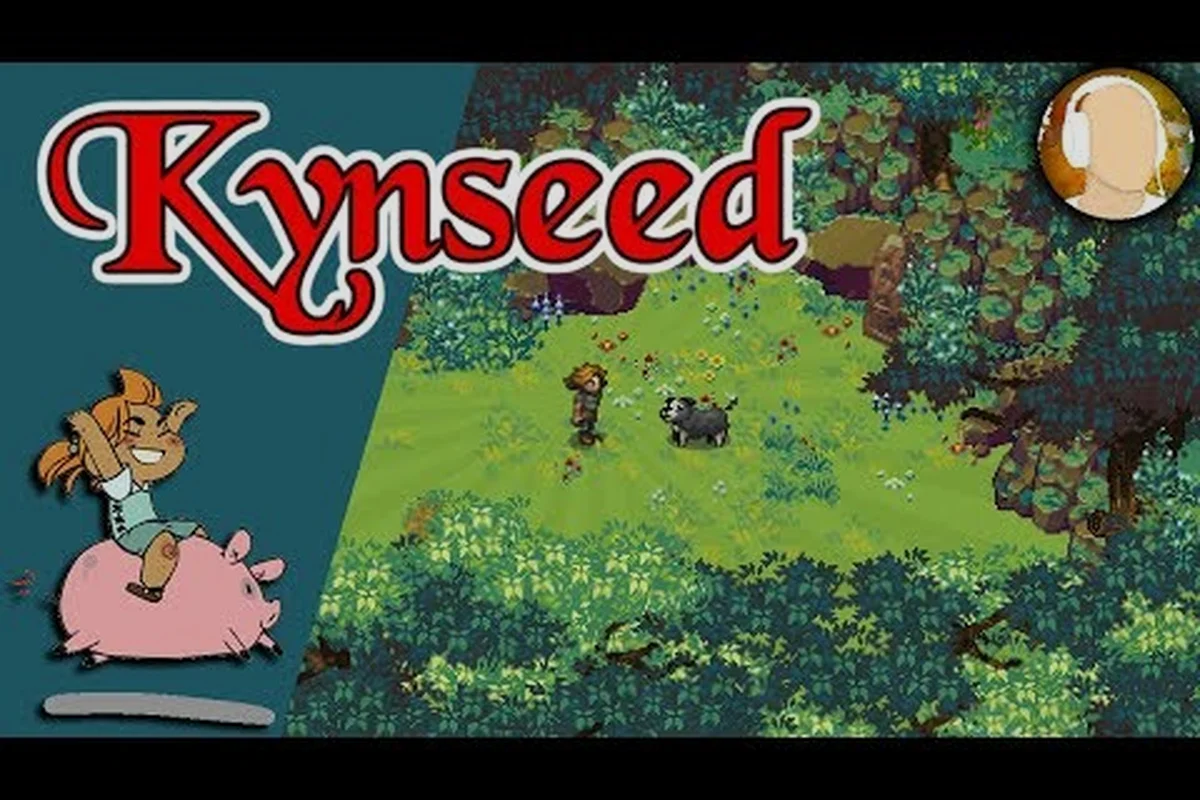
Magic in Kynseed is far more than a flashy alternative to swinging a sword. It is a deep, resource-driven combat system that rewards careful planning, elemental awareness, and quick reflexes. Whether you are a newcomer trying to understand spell casting or a veteran looking to optimize your arcane strategies, this guide breaks down every layer of Kynseed's magical combat. From the mana system that fuels your abilities to the elemental magic schools that define your playstyle, you will learn how to dominate the battlefield with spells, combos, and the right magical gear.
If you are just starting your journey, you may want to review our Combat Basics Guide first. For a deeper dive into non-magical options, check out Weapons and Melee Tactics. But if you are ready to harness the arcane, read on.
Understanding the Mana System
Every spell in Kynseed consumes mana, a finite resource that acts as your magical stamina. Without proper mana management, even the most powerful wizard will crumble against a swarm of Fae or a dungeon boss. Let's break down how mana works and how to keep your reserves healthy.
Mana Pool and Maximum Capacity
Your mana pool is determined by your character's Wisdom attribute, which increases as you level up and complete magical quests. Each point of Wisdom grants five additional points of maximum mana. At level 1, you start with 50 mana. By level 30, with a dedicated Wisdom build, you can reach over 300 mana. This pool is the currency for all spells, from a simple Spark Bolt to a devastating Meteor Storm.
The table below shows the base mana costs for common spells in each elemental school. Costs scale with spell rank, so keep that in mind when planning your loadout.
| Spell Name | Element | Base Mana Cost | Rank 3 Cost | Cast Time |
|---|---|---|---|---|
| Spark Bolt | Fire | 10 | 18 | 0.5s |
| Frost Shard | Water | 12 | 20 | 0.6s |
| Stone Fist | Earth | 14 | 24 | 0.8s |
| Gale Slash | Air | 8 | 15 | 0.4s |
| Ember Nova | Fire | 30 | 45 | 1.5s |
| Tidal Wave | Water | 35 | 55 | 2.0s |
| Quake Stomp | Earth | 40 | 60 | 2.2s |
| Tempest Call | Air | 25 | 40 | 1.2s |
Mana Regeneration and Recovery
Mana does not regenerate passively in combat. Instead, you must rely on mana potions, resting, or specific arcane talents that trigger regeneration under certain conditions. For example, the Flow State talent restores 5 mana per second for 5 seconds after you land a critical hit with a spell. Another talent, Leech Ward, converts 10% of all spell damage dealt into mana.
Out of combat, you can recover mana by sitting near a campfire or using the Meditate emote, which restores 20% of your maximum mana over 10 seconds. However, in the heat of battle, you will need to manage your potion cooldowns carefully. Mana potions come in three tiers: Minor (restores 30 mana), Greater (restores 75), and Superior (restores 150). They share a global cooldown of 8 seconds, so you cannot spam them.
Mana Potion Crafting and Economy
You can craft mana potions using Moonpetal and Dewdrop herbs, which are found in the Whispering Woods and along the River Stroll. A Minor Mana Potion requires 2 Moonpetals and 1 Dewdrop. The recipe is unlocked at Alchemy Level 3. For a full breakdown of alchemy recipes, see our Alchemy and Potions Guide. If you prefer to buy potions, the Mystic Emporium in Puddleby sells them, but prices fluctuate based on the in-game economy.
Elemental Magic Schools
Kynseed features four primary elemental magic schools: Fire, Water, Earth, and Air. Each school has its own strengths, weaknesses, and unique mechanics. Mastering all four is essential for adapting to different enemy types and environmental hazards.
Fire Magic: Damage Over Time and Burst
Fire magic is the quintessential damage-dealing school. Spells like Spark Bolt and Ember Nova apply a burning status effect that deals damage over time. Fire spells also have a higher critical hit chance than other schools, making them ideal for aggressive players who want to end fights quickly.
| Fire Spell | Effect | Status Effect |
|---|---|---|
| Spark Bolt | Fast projectile, single target | Burning (5 dmg / 3s) |
| Flame Wall | Creates a line of fire | Burning (8 dmg / 4s) |
| Meteor Storm | AoE damage in a large radius | Burning + Stagger |
| Phoenix Rise | Self-revive with 50% HP | None |
The downside of fire is its reliance on line of sight. Many fire spells are projectiles that can be dodged or blocked by shields. Against fast enemies, you will need to pair fire with crowd control from other schools.
Water Magic: Control and Healing
Water magic is the most versatile school, offering both offensive spells and utility. Frost Shard is a piercing projectile that slows enemies, while Tidal Wave knocks back groups and cleanses harmful status effects from allies. Water also has the only healing spell in the game: Mending Rain, which restores health over time to you and nearby allies.
Water spells are particularly effective against fire-based enemies, as they deal bonus damage and remove burning effects from your party. In co-op play, a water mage is often the designated support. However, water spells have longer cast times, leaving you vulnerable if you are not positioned well.
Earth Magic: Defense and Area Denial
Earth magic excels at controlling the battlefield and protecting yourself. Stone Fist is a short-range punch that deals high damage and has a chance to stun. Quake Stomp creates a shockwave that damages and knocks down enemies in a cone. Earth spells also grant temporary armor buffs, reducing incoming damage by up to 30%.
| Earth Spell | Effect | Defensive Bonus |
|---|---|---|
| Stone Fist | Melee-range burst | +5 armor for 3s |
| Boulder Toss | Heavy projectile, pierces | None |
| Quake Stomp | AoE cone damage | +10 armor for 5s |
| Iron Bark | Self-shield, absorbs 50 dmg | Shield |
Earth magic is slower but hits hard. It is the best school for solo players who need to survive tough encounters. Pair it with life steal talents to become an unkillable tank.
Air Magic: Speed and Mobility
Air magic is all about speed, precision, and repositioning. Gale Slash is a quick, low-cost projectile that can be fired while moving. Tempest Call summons a tornado that pulls enemies together and leaves them vulnerable to increased damage. Air spells also reduce your spell casting time for a short period after use, allowing for rapid spell chains.
Air magic is the most skill-intensive school. It requires precise aim and good timing to maximize its potential. However, a skilled air mage can kite enemies indefinitely and never take a hit. If you enjoy a high-skill, high-reward playstyle, air is your calling.
Spell Combinations and Synergies
The true power of Kynseed magic combat lies in combining spells from different schools to create devastating spell combinations. These synergies can turn a difficult battle into a one-sided victory. Here are some of the most effective combos, along with the status effects that make them work.
The Freeze-Burst Combo
This combo uses water and fire together. First, cast Frost Shard to apply chilled to an enemy, slowing them by 40%. Then, follow up with Spark Bolt or Ember Nova. The chilled status is consumed, triggering a shatter effect that deals bonus damage equal to 150% of your spell power and applies burning. This is one of the highest single-target damage combos in the game.
| Step | Spell | Effect |
|---|---|---|
| 1 | Frost Shard | Applies chilled |
| 2 | Spark Bolt | Triggers shatter, applies burning |
| 3 | (Optional) Flame Wall | Extends burning duration |
The Tornado Trap
Air magic can set up enemies for massive area damage. Cast Tempest Call to pull enemies into a tight cluster. While they are clumped, follow up with Meteor Storm or Quake Stomp. The tornado also applies vulnerable, increasing all damage taken by 20% for 5 seconds. This combo is excellent for clearing mobs in dungeons.
The Armored Assault
For a defensive combo, use Iron Bark to gain a shield, then cast Quake Stomp to apply armor and knock down enemies. While enemies are on the ground, switch to fire spells like Ember Nova to deal damage without fear of retaliation. This is a reliable bread-and-butter combo for solo players.
Status Effect Table
Understanding status effects is critical for optimizing your arcane strategies. The table below summarizes the main status effects, their sources, and their durations.
| Status Effect | Source Schools | Effect | Duration |
|---|---|---|---|
| Burning | Fire | 5-10 dmg per second | 3-5s |
| Chilled | Water | Slow 40% | 4s |
| Stun | Earth | Cannot act | 2s |
| Vulnerable | Air | +20% damage taken | 5s |
| Armor | Earth | Damage reduction | 5-10s |
| Cleanse | Water | Removes negative effects | Instant |
Arcane Strategies for Battle
Knowing your spells is only half the battle. To truly master Kynseed magic combat, you must develop strategies for different encounter types. Here are some advanced tactics for both trash mobs and boss fights.
Crowd Control and Kiting
When facing large groups of enemies, your priority is to avoid being surrounded. Use Gale Slash to kite enemies into a line, then hit them with Flame Wall to create a barrier. If they break through, use Quake Stomp to knock them down and create distance. For maximum efficiency, equip the Windwalker Boots (see gear section below) to increase your movement speed while casting.
Boss Fights: Mana Efficiency
Bosses have high health and resist single-target spells. You need to maximize mana efficiency by using combos that deal high damage per point of mana. The Freeze-Burst Combo is excellent for this, as the shatter damage is effectively free. Also, consider using Mending Rain to keep your health up, reducing the need for healing potions and freeing up inventory for more mana potions.
During boss fights, watch for telegraphed attacks. Many bosses have a wind-up animation before a powerful strike. Use Stone Fist to interrupt them if you are in melee range, or cast Frost Shard to slow them and give yourself time to reposition.
Elemental Weaknesses
Each enemy in Kynseed has an elemental affinity. For example, Fae are weak to fire, while Golems are weak to water. Always check your Codex before entering a dungeon. Exploiting elemental weaknesses doubles your spell damage and reduces the enemy's resistance to status effects. This is the single most important factor in high-level combat.
Co-op Spell Synergy
If you are playing with friends, coordinate your spell schools. One player should focus on water for healing and control, while another uses air to group enemies. A third can then unleash fire or earth AoE spells. This division of roles ensures that your party has both sustain and burst damage. For more co-op tips, see our Co-op Multiplayer Guide.
Magical Gear and Equipment
Your magical gear can dramatically alter your combat effectiveness. Weapons, armor, and accessories provide bonuses to spell power, mana regeneration, and cast speed. Here are the most important pieces to seek out.
Wands and Staves
Wands are one-handed weapons that allow you to cast spells faster. Staves are two-handed and provide a larger bonus to spell power but have slower cast times. The table below compares some notable options.
| Weapon | Type | Spell Power | Cast Speed | Special Effect |
|---|---|---|---|---|
| Willow Wand | Wand | +10 | +15% | Reduces mana cost by 5% |
| Ember Staff | Staff | +25 | -10% | Fire spells apply burning twice |
| Tidal Scepter | Wand | +18 | +5% | Water spells heal for 20% of damage |
| Storm Caller | Staff | +30 | -15% | Air spells have 25% crit chance |
Robes and Armor
Light armor, such as Mage Robes, offers the best bonuses for magic users. They provide mana regeneration and spell power at the cost of physical defense. Heavier armor will reduce your cast speed, so avoid it unless you are using a hybrid build. The Archon Robe is a late-game item that grants +50 mana, +20 spell power, and immunity to burning.
Amulets and Rings
Accessories are where you can fine-tune your build. Amulet of the Arcane increases all spell damage by 15%. Ring of Clarity reduces mana costs by 10%. Band of the Elements gives a random elemental bonus each day, which can be powerful if you plan around it.
Enchantments and Upgrades
You can enchant your gear at the Arcane Forge using Essence Crystals dropped by magical creatures. Enchantments can add life steal, mana on kill, or cooldown reduction. A well-enchanted set of gear can make you nearly unstoppable. For a full list of enchantments, refer to our Enchanting Guide.
Frequently Asked Questions
What is the best magic school for beginners?
Fire is the most straightforward school because it deals high damage and has simple mechanics. You can focus on positioning and mana management without worrying about complex status effects. As you gain confidence, experiment with water for healing and air for mobility.
How do I increase my maximum mana?
Your maximum mana is tied to the Wisdom attribute. Level up Wisdom by completing magical quests, reading ancient tomes, and defeating magical bosses. Additionally, some gear pieces, like the Archon Robe, provide flat mana bonuses. Always prioritize Wisdom if you want a larger mana pool.
Can I use magic and melee weapons at the same time?
Yes, you can equip a wand in one hand and a dagger or sword in the other. This hybrid playstyle is viable, especially if you use spells for crowd control and melee for single-target damage. However, you will need to invest in both Strength and Wisdom, which can stretch your skill points thin.
Conclusion
Kynseed's magic combat system is a rich and rewarding layer of the game that rewards experimentation and strategic thinking. By mastering the mana system, understanding the four elemental magic schools, and learning powerful spell combinations, you can overcome any challenge the Vale throws at you. Remember to gear up with the best magical gear, exploit elemental weaknesses, and always keep an eye on your mana reserves.
For more advanced tactics, check out our Advanced Combat Tactics and Dungeon Boss Strategies. And if you want to know more about the world of Kynseed, visit the official Kynseed website or the Kynseed community wiki for up-to-date patch notes and community discoveries.
Now go forth, spellcaster, and let the elements answer your call.