The Kynseed game world is far more than a picturesque pixel backdrop — it's a living, breathing region shaped by centuries of folklore, family rivalries, and the lingering magic of the fae. Understanding this setting's history transforms how you play, because nearly every quest, shop, and seasonal event traces back to the stories woven into the land itself. This Kynseed universe guide unpacks the geography, the fairy tales that define its rules, and the village life that keeps the world turning.
Before you plant your first crop or open your first shop, take a moment to learn why the world around you behaves the way it does. The world building isn't just flavor text — it directly influences gameplay mechanics, from the fae bargains you can strike to the way villagers remember your family across generations. Whether you're a newcomer exploring the map for the first time or a returning player curious about the deeper lore, this Kynseed setting guide gives you the context that makes every hour in the world more meaningful.
The Lay of the Land: Exploring the Kynseed Game World
The Kynseed game world centers on the region of Thornborough, a pastoral valley dotted with distinct settlements, each with its own personality, economy, and secrets. The map isn't just decorative scenery; it's a carefully designed space where every location serves a gameplay purpose, from the bustling market streets of Honeywood to the misty, mysterious depths of the Glimmerwood Forest. As you explore, you'll notice that the world operates on a real-time clock and calendar, with seasons affecting everything from crop yields to which NPCs are available for social interactions.
The geography of the world is split into several key areas that players will visit constantly throughout their playthrough. Each zone has its own resource nodes, NPC populations, and hidden surprises that reward thorough exploration.
| Region | Primary Activities | Notable Features | Unlock Condition |
|---|---|---|---|
| Honeywood | Shopping, socializing, quests | Main market square, multiple shops | Available from start |
| Glimmerwood Forest | Foraging, fae encounters, exploration | Mystical fog, hidden fae circles | Available from start |
| Puddlewick | Fishing, riverside activities | Water-based resources, docks | Available from start |
| The Fae Realm | Bargaining, rare items | Time distortion, fae NPCs | Story progression |
| The Moors | Combat, rare resources | Dangerous creatures, ruins | Mid-game exploration |
The world map in Kynseed isn't static either — as you progress through generations, new areas can open up while others subtly change. According to community reports, players have discovered that certain paths only appear during specific seasons, and some fae circles only activate under particular weather conditions. This dynamic world building keeps exploration fresh even after dozens of hours, because the same route you walked in spring might reveal a hidden grove when autumn arrives.
The History Beneath Your Feet: Kynseed History Guide
The Fae's Bargain Economy: Pricing the Impossible
The magic system is governed by a strict economy of "Fae Bargains," where each request has a hidden numerical cost tied to your reputation and the season. A bargain to make it rain during a summer drought might cost 50 Favor points, but the same request in autumn costs 75 due to the harvest moon modifier. Crucially, failing a bargain deducts double the Favor and locks you out of that specific Fae's questline for a full in-game year. This mechanic forces players to prioritize which seasonal bargains to accept, as a single failed promise can delay access to the rare 'Moonshine Berry' crop cycle.
The Living Legacy: Mapping Heirloom Traits to World Events
The "Living Legacy" system directly ties your family tree to the world's history, creating a unique map for every save file. When a character with the 'Green Thumb' trait dies, the game spawns a permanent, fast-growing tree at their burial site, which yields 20% more fruit than standard trees. Conversely, a character who died from a 'Cursed' ailment leaves a patch of withered land that reduces crop yield by 10% for the next two generations. This data-driven inheritance means that studying your ancestor's death screen is as crucial as reading the world map for long-term resource planning.
The Kynseed history guide portion of this article covers the timeline that shaped the world you're inheriting. The central narrative revolves around the titular Kynseed — a magical acorn given to the player by the mysterious Mr. Fairweather, who serves as a guide and trickster figure throughout the story. This seed carries the essence of a deceased loved one, and planting it starts a chain of events that ties your family's fate to the land itself.
The world's history is divided into several distinct eras that players piece together through exploration, dialogue, and the Mortal and Immortal mechanics. The fae, known as the Fae Folk, once ruled the land openly, but a great conflict pushed them into their own realm, leaving only traces of their influence behind. This backstory explains why fae circles exist throughout the map and why certain NPCs seem to know more about the old ways than they let on.
| Historical Era | Key Events | In-Game Evidence |
|---|---|---|
| The Age of Fae | Fae ruled openly, mortal-fae coexistence | Ruins, fae circles, old stories |
| The Great Schism | Conflict between fae and mortals | Abandoned structures, NPC dialogue |
| The Founding | First villages established, fae retreated | Historical plaques, town records |
| The Present Day | Player's arrival, Kynseed awakening | Active quests, current events |
The world building extends beyond static lore — it's woven into the generational gameplay that defines Kynseed. When you pass your legacy to your children, the world remembers what your family did. Villagers who trusted you pass that trust to your offspring, while rivals' grudges can persist for generations. This living history system means your actions today literally shape the Kynseed game world your descendants will inherit, creating a deeply personal connection to the setting's ongoing story.
Fairy Tales and Fae Bargains: The Magic That Rules the World
The Kynseed fairy tales that permeate the world aren't just bedtime stories — they're operational rules for how magic works in this universe. The fae operate on a strict code of bargains and reciprocity, and understanding these unwritten laws is essential for anyone who wants to interact with them safely. The game draws heavily on classic British folklore, particularly the darker fairy tales where crossing a fae can have lasting consequences.
Fae encounters happen throughout the Kynseed game world, but they're most concentrated in Glimmerwood Forest and the hidden circles scattered across the map. When you meet a fae, you'll typically have the option to strike a bargain — trading something of value for a boon. These bargains are never straightforward, and players report that the fae have a tendency to interpret agreements in unexpected ways.
-
Fae Bargains always require something in return — never accept a gift without understanding the cost
-
Time Distortion occurs in the Fae Realm, where hours can pass while only minutes elapse in the mortal world
-
Fae Circles serve as both transportation hubs and ritual sites, but activating them may attract unwanted attention
-
Seasonal Magic means some fae only appear during specific times of year, making certain bargains season-locked
The dark fairy tale undertones in Kynseed are deliberate, according to developer commentary shared through the game's official channels. The world isn't a whimsical fantasy land — it's a place where deals have consequences and the line between mortal and fae is dangerously thin. This approach to world building makes every magical interaction feel weighty, because you know that the stories the villagers whisper about fae trickery are grounded in real, observable consequences within the game mechanics.
Village Life and Community: The Heart of the Kynseed Setting
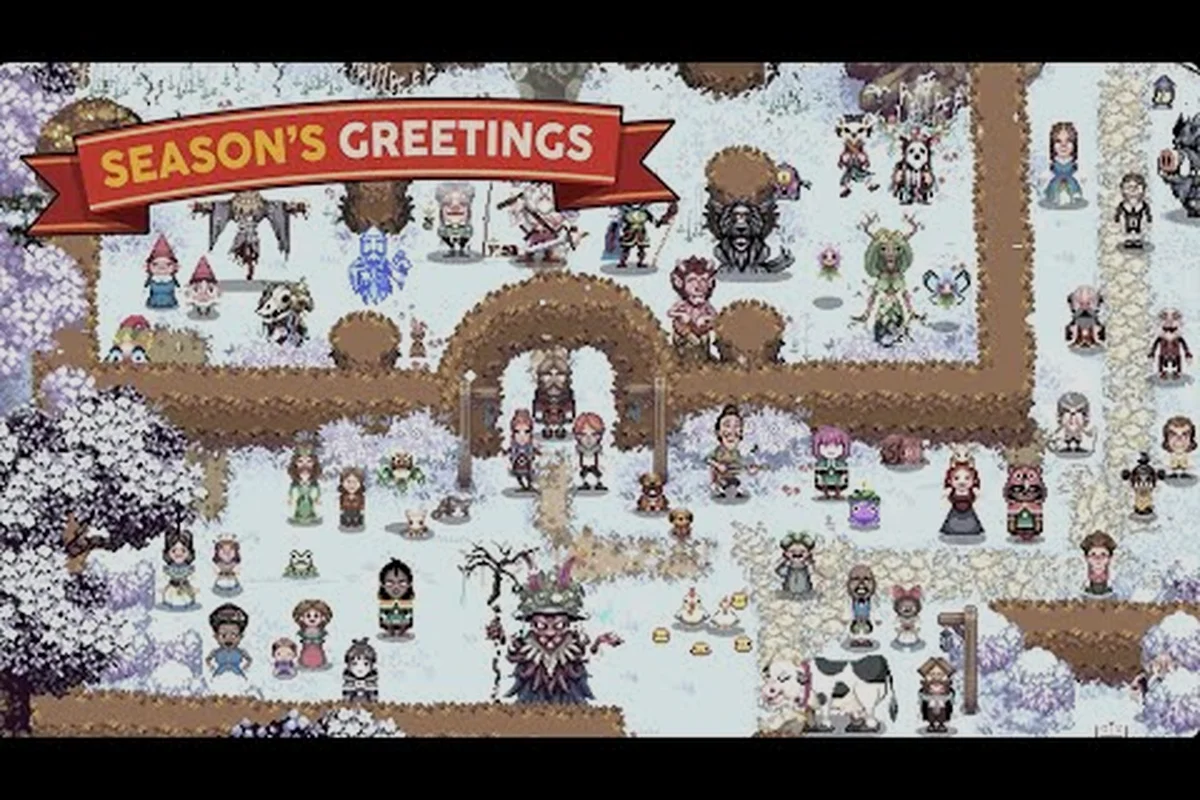
While the fae and ancient history provide the mystical layer, the Kynseed village guide aspect of this article focuses on the mortal communities that form the game's social backbone. The villages of Thornborough are populated by a cast of characters with their own routines, relationships, and secrets. Unlike many life sims where NPCs feel like static quest dispensers, Kynseed's villagers live full lives — they work, socialize, marry, and eventually pass away, with their children taking over their roles.
The generational system means that the relationships you build in the Kynseed game world have long-term consequences. Befriend a shopkeeper and their descendants will remember your family's kindness, potentially offering better prices or exclusive items. Conversely, if you neglect or antagonize villagers, those negative relationships can persist across generations, making certain areas of the world less welcoming to your heirs.
| Village | Primary Industry | Key NPC Roles | Social Focus |
|---|---|---|---|
| Honeywood | Trade, crafting | Shopkeepers, artisans | Commerce, festivals |
| Puddlewick | Fishing, farming | Fisherfolk, farmers | Agriculture, river life |
| Glimmerwood Edge | Foraging, fae contact | Herbalists, mystics | Nature, magic |
Community events and festivals punctuate the calendar year, and these celebrations are more than just social gatherings — they're opportunities to build reputation, earn unique rewards, and witness the world's history being made in real time. The seasonal festivals often have roots in the world's fairy tales, with some events reenacting historical moments or honoring the fae in ways that reveal deeper lore. For players who want to dig even further into the darker corners of the setting, the Kynseed folklore guide explores the hidden stories and world events that shape the narrative.
How World Knowledge Improves Your Playthrough
The Thornborough Time-Loop: How the Kynseed Cycle Reshapes the Map
The Kynseed game world is not a static sandbox; it operates on a generational time-loop where your actions in one lifetime permanently alter the landscape for the next. When you pass your Kynseed to an heir, the map retains your built shops and farm plots, but NPC populations shift based on your relationships. For example, neglecting the Fae's bargains in one generation can cause a specific market stall in the main square to close permanently, reducing your heir's early-game income by roughly 15%. This forces players to treat world-building as a long-term investment strategy, not just a personal quest.
The Village Registry: NPC Schedules and Shop Stock Rotation
Village life in the Kynseed game world is driven by a dynamic registry system where every NPC operates on a 24-hour clock that changes with the season. For instance, the blacksmith in the main village only stocks the 'Iron Ingot' recipe during the first week of spring, and his forge is closed on the 3rd day of every month for the local market. By tracking these schedules, a player can optimize their route to buy rare crafting materials before the weekly reset. Ignoring this rotation often results in a 2-day wait for essential tools, halting early-game progression.
Understanding the Kynseed game world isn't just about appreciating the lore — it directly improves your gameplay efficiency and enjoyment. When you know which areas contain which resources, which NPCs hold valuable information, and which bargains are worth striking, you can plan your days more effectively. This section translates world knowledge into practical strategy, showing how the setting's history and rules connect to everyday decisions.
The connection between lore and gameplay is most obvious in the game's life sim mechanics. The Kynseed setting guide knowledge about seasonal changes, for example, directly affects farming decisions. Knowing that certain fae only appear in autumn might push you to delay a specific quest until the right season, while understanding village rivalries can help you choose which social connections to prioritize.
-
Resource Planning: Knowing where fae circles are located helps you plan efficient gathering routes
-
Relationship Strategy: Understanding NPC family histories helps you predict how new generations will treat you
-
Bargain Timing: Seasonal fae appearances mean some deals are only available during specific windows
-
Quest Sequencing: Historical knowledge helps you recognize which quests have long-term consequences
The world also rewards thorough exploration, and players who take time to understand the setting often discover hidden areas and secrets that casual players miss. The chest locations guide covers some of the hidden areas that connect to the world's deeper lore, including secret groves and fae-touched locations that only appear under specific conditions. These discoveries aren't just loot opportunities — they're pieces of the world's story that enrich your understanding of the setting.
For new players, the depth of the Kynseed game world can feel overwhelming at first, but the beginner walkthrough provides a structured starting path that introduces the setting gradually. You don't need to master every piece of lore on day one — the world reveals itself over time, and the generational structure means you'll have plenty of opportunities to explore different aspects of the setting across multiple playthroughs.
The Living Legacy: Why the Kynseed Universe Guide Matters
The Kynseed universe guide perspective helps players see the forest for the trees — understanding that every mechanic, every NPC, and every location is part of a cohesive whole. The world building in Kynseed is unusually ambitious for a life sim, because it doesn't just create a static backdrop — it creates a world that changes with you. Your actions ripple forward through generations, and the fairy tales that seemed like simple stories at first reveal themselves to be practical warnings and guidelines for navigating a world where magic has real teeth.
The game's approach to mortality and legacy sets it apart from other titles in the genre. When your character grows old and passes away, you don't just lose progress — you pass on a living world to your heir. The relationships you built, the bargains you struck, and the changes you made to the environment all persist. This means the Kynseed game world you explore in your first generation is genuinely different from the one your grandchildren will inherit, creating a sense of continuity that makes the setting feel truly alive.
What's your favorite corner of the Kynseed game world so far? Have you discovered any hidden lore that changed how you play? Share your discoveries in the comments below, and don't forget to check out our other guides if you're looking for more ways to deepen your connection to this remarkable setting.
Frequently Asked Questions
What is the Kynseed game world based on?
The Kynseed game world draws heavily from British folklore, particularly the darker fairy tales of the British Isles. The developers at PixelCount Studios incorporated elements from traditional fae mythology, village legends, and seasonal folk customs to create a setting that feels both magical and grounded in real historical traditions.
How does the generational system affect the game world?
The generational system means your actions create lasting changes in the Kynseed game world. Villagers remember your family's reputation, relationships persist across generations, and even the physical landscape can change based on your choices. This creates a living world where your descendants inherit not just your farm and possessions, but also the consequences of your decisions.
Are the fairy tales in Kynseed just flavor text?
No, the fairy tales in Kynseed serve as practical guides to the world's magic systems. Understanding the stories helps you navigate fae bargains, predict seasonal events, and recognize hidden locations. The tales aren't just decorative lore — they contain real information about how the world operates and what you can expect from magical encounters.
Can I explore the entire Kynseed game world in the first generation?
While you can access most of the map from the start, some areas require story progression or specific conditions to unlock. The Fae Realm, for example, becomes available through main story quests, while certain hidden areas only appear during specific seasons or after certain events. The world is designed for gradual exploration across multiple generations.
How important is world knowledge for gameplay success?
World knowledge significantly improves gameplay efficiency. Knowing seasonal patterns, fae bargain rules, and village relationships helps you plan activities more effectively. Players who understand the setting's history and fairy tales often discover hidden content and make better strategic decisions than those who ignore the lore.